0% VAT on Solar Panels: How to Claim and What Qualifies
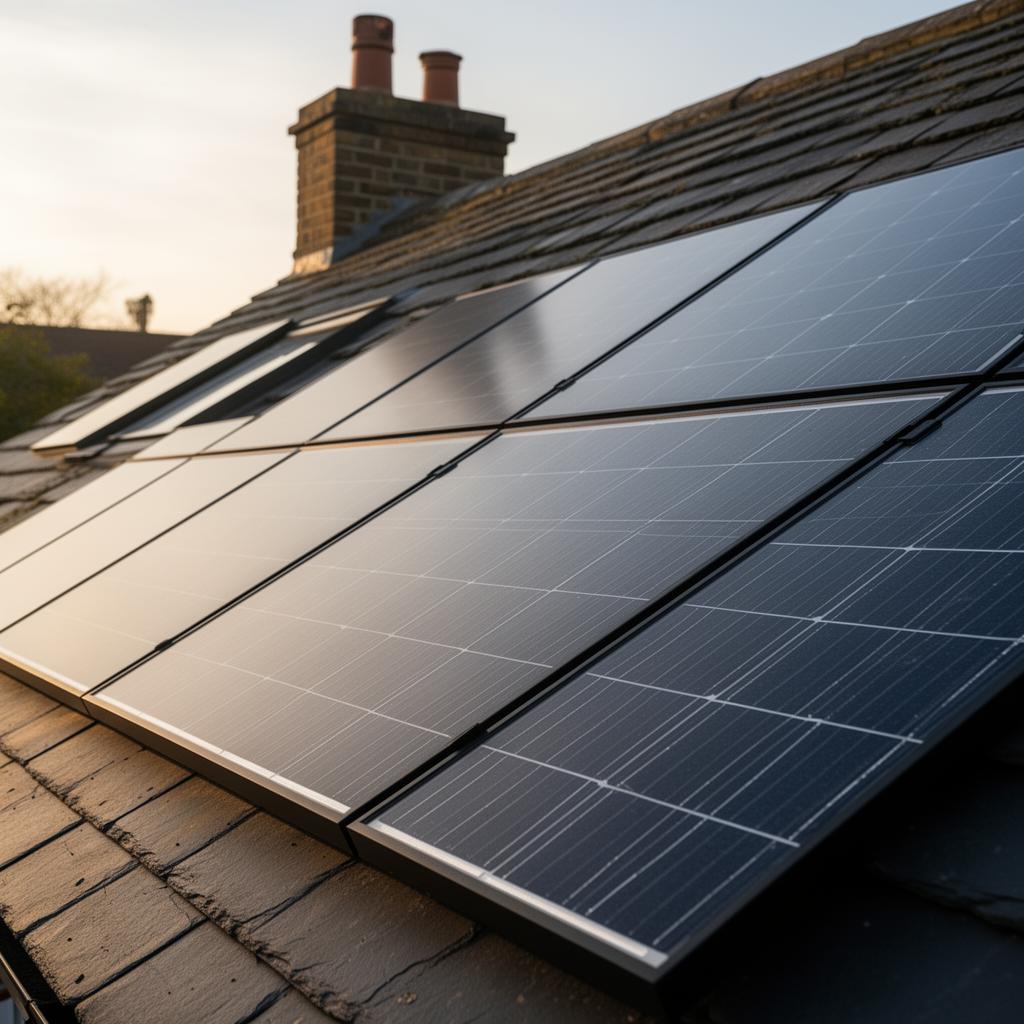
Since April 2022, solar panels, battery storage and other energy-saving materials installed on residential properties in the UK have qualified for 0% VAT. Before then most were charged at the 5% reduced rate, and 5% is due to return on 1 April 2027 (HMRC VAT Notice 708/6). On a typical solar panel installation in Lancashire costing £7,000 before VAT, the zero rate saves you £350 against that 5%. The zero rate applies automatically – you do not need to fill in forms or apply for a rebate. Your installer simply charges 0% VAT on qualifying installations. Here is exactly what qualifies, what does not, and how the saving works in practice.
How Do You Claim 0% VAT on Solar Panels?
- Use a VAT-registered installer who supplies and fits the system — the zero rate covers the materials and the labour when they are supplied together
- Confirm your property qualifies — you must be a homeowner or tenant in a residential property (not a new build by a developer)
- Get a quote showing 0% VAT — the installer applies the zero rate at point of sale; you do not need to reclaim VAT separately
- Check all materials qualify — solar panels, inverters, mounting equipment, batteries and installation labour are all covered
- Keep your invoice — store it for your records; no HMRC claim or application is required
The 0% VAT rate on energy-saving materials has been in effect since April 2022 and is confirmed until at least March 2027. It covers solar panels, battery storage, heat pumps, insulation, heat pump hot water cylinders and heating controls. The relief is applied by the installer at the point of sale, so there is no paperwork or claim process for homeowners — the VAT simply does not appear on your invoice.
This VAT reduction is one of the most significant financial incentives for home energy improvements available to Lancashire homeowners. It applies alongside other schemes like the Boiler Upgrade Scheme and the Smart Export Guarantee (SEG), meaning you can stack multiple benefits. Understanding the rules ensures you get the full saving you are entitled to.
What Qualifies for 0% VAT
The following energy-saving materials and installations qualify for the zero VAT rate when installed on a residential property:
- Solar panels (photovoltaic): All rooftop and ground-mounted solar PV systems
- Solar thermal panels: Hot water heating solar systems
- Battery storage: With or without solar panels, since 1 February 2024
- Air source heat pumps
- Ground source heat pumps
- Water source heat pumps
- Insulation materials: Loft insulation, cavity wall insulation, solid wall insulation, underfloor insulation and draught stripping
- Heating controls: Thermostatic radiator valves, thermostats, programmers and other heating control devices
- Wind turbines and water turbines
- Biomass boilers
- Combined heat and power (micro-CHP) units
The zero rate covers both the materials and the labour for installation. This is important – even if you buy the materials separately and hire someone to install them, the labour element should also be zero-rated (provided the installer is VAT-registered and the work is on a qualifying product for a residential property).
What Does Not Qualify
Not everything related to energy improvements is covered. The following are still charged at the standard 20% VAT rate:
- EV chargers: Home electric vehicle chargers do not qualify for the zero rate. They are charged at the standard 20% VAT rate.
- Gas boilers: Replacement gas boilers are standard-rated at 20% VAT (5% only where a grant pays for it in the main home of someone aged 60 or over or on certain benefits).
- Double or triple glazing: Window replacements are not classified as energy-saving materials under this scheme.
- Smart meters: Installed for free by your supplier, so VAT is not relevant.
- Commercial properties: The zero rate only applies to residential dwellings, not offices, shops or industrial buildings.
- Batteries you buy and fit yourself: A battery bought without installation carries 20% VAT. Since 1 February 2024 a battery qualifies with or without solar panels, but only when a VAT-registered installer supplies and fits it.
How the Saving Works in Practice
The saving is straightforward. Here are some examples for typical Lancashire installations, set against the 5% rate due back on 1 April 2027 (insulation prices are Energy Saving Trust typical costs):
- 10-panel solar system (4kW): Cost before VAT: £6,500. At 5% VAT: £6,825. At 0% VAT: £6,500. Saving: £325.
- Solar system plus 5.2kWh battery: Cost before VAT: £9,500. At 5% VAT: £9,975. At 0% VAT: £9,500. Saving: £475.
- Air source heat pump: Cost before VAT: £11,000. At 5% VAT: £11,550. At 0% VAT: £11,000. Saving: £550 (note: you also get the £7,500 Boiler Upgrade Scheme grant on top of this, or £9,000 if your home is heated by oil or LPG with no mains gas, until 31 March 2027).
- Loft insulation top-up: Cost before VAT: £600. At 5% VAT: £630. At 0% VAT: £600. Saving: £30.
- External wall insulation: Cost before VAT: £15,000. At 5% VAT: £15,750. At 0% VAT: £15,000. Saving: £750.
You do not need to do anything to claim the saving. Your installer applies 0% VAT on their invoice. If an installer quotes you a price including 5% or 20% VAT for a qualifying product on a residential property, they are either making an error or are not aware of the scheme. Ask them to check HMRC’s guidance on energy-saving materials (VAT Notice 708/6).
How Long Does the Zero Rate Last?
The 0% VAT rate on energy-saving materials was introduced in April 2022 and is currently set to continue until at least 31 March 2027. After that date, the rate will revert to 5% (the reduced rate that applied previously) unless the government extends the zero rate.
If you are planning a solar panel installation, heat pump or insulation project, completing it before March 2027 ensures you benefit from the full zero rate. There is no indication yet whether the zero rate will be extended beyond 2027, though there is industry pressure to make it permanent.
The Property Requirements
The property must be a residential dwelling for the zero rate to apply. This includes:
- Houses and flats (owner-occupied or rented)
- Park homes (residential mobile homes on licensed sites)
- Houseboats used as a main residence
- Buildings that contain only residential accommodation
For mixed-use properties (e.g., a shop with a flat above), the zero rate applies only to the residential part. The installer should apportion the costs appropriately.
Prior to the current rules, there was an additional restriction based on whether the installation was a “social policy condition” (linked to benefits or age). This has been removed – the zero rate now applies to all residential properties regardless of the owner’s income, age or benefit status.
Combining 0% VAT with Other Incentives
The zero VAT rate stacks with other incentives. For a Lancashire homeowner installing a heat pump:
- Total installation cost: £12,000, with no VAT on top
- VAT saving against the 5% rate due back in April 2027: £600
- Boiler Upgrade Scheme grant: £7,500
- Your net cost: £4,500
For solar panels with a battery:
- Total installation cost: £9,500
- VAT saving against 5%: £475
- Panels: up to about £555 a year in bill savings and export income (our model at the October to December 2026 price cap)
- Battery: about £177 a year more for a 5 kWh battery (our model)
- Effective payback period: about 13 years (£9,500 against about £730 a year)
Our guides to the Boiler Upgrade Scheme and solar panel battery storage in Lancashire explain these other incentives in detail.
What if my installer charged 20% VAT?
If you have already paid 20% VAT on a qualifying installation (completed after 1 April 2022), you may be able to reclaim the difference from the installer. Contact them and ask them to review the VAT treatment. If the installation qualifies for the zero rate, they should issue a corrected invoice and refund the overpaid VAT. If the installer is uncooperative, seek advice from Citizens Advice or HMRC.
Does the 0% VAT apply to DIY solar panel purchases?
The zero rate applies to the supply and installation of qualifying materials. If you buy solar panels from a supplier and install them yourself, the supplier should still charge 0% VAT on the panels. However, the zero rate is clearest and most straightforward when applied to a complete supply-and-install contract. If you are doing a partial DIY installation, ensure the supplier is aware of the VAT position.
Does it apply to second homes or holiday lets?
The zero rate applies to any residential dwelling, including second homes and holiday lets, provided the property is used primarily as a residence. A furnished holiday let or Airbnb property that is a residential dwelling qualifies. A commercial holiday park with lodges or static caravans may qualify if the lodges are residential in nature. Check with your installer and, if in doubt, with HMRC.
Which grants can you actually get?
Six quick questions, answered entirely in your browser — nothing stored, nothing sent. Covers the Boiler Upgrade Scheme, Warm Homes: Local Grant and the devolved schemes.

Related Articles

Energy Grant Scams: How to Spot Them and Check Who’s Really Certified
Grant scammers borrow real scheme names — and real deadlines — to pressure you into upfront fees. Here are the red flags in order of reliability, how each genuine scheme…
25 August 2026
ECO4 in Northern Ireland: why you can’t get it, and what to use instead
ECO4 is a Great Britain scheme that ends on 31 December 2026, and it never covered Northern Ireland. Here is exactly where NI households can go instead, with a signposting…
19 August 2026
Boiler Upgrade Scheme for Landlords and Second Homes: What Qualifies
GOV.UK explicitly allows second homes, rentals and business-owned property to claim the Boiler Upgrade Scheme, one grant per property. With the £9,000 window for oil and LPG homes with no…
17 August 2026