Insulation Costs in 2026: Complete Lancashire Price Guide
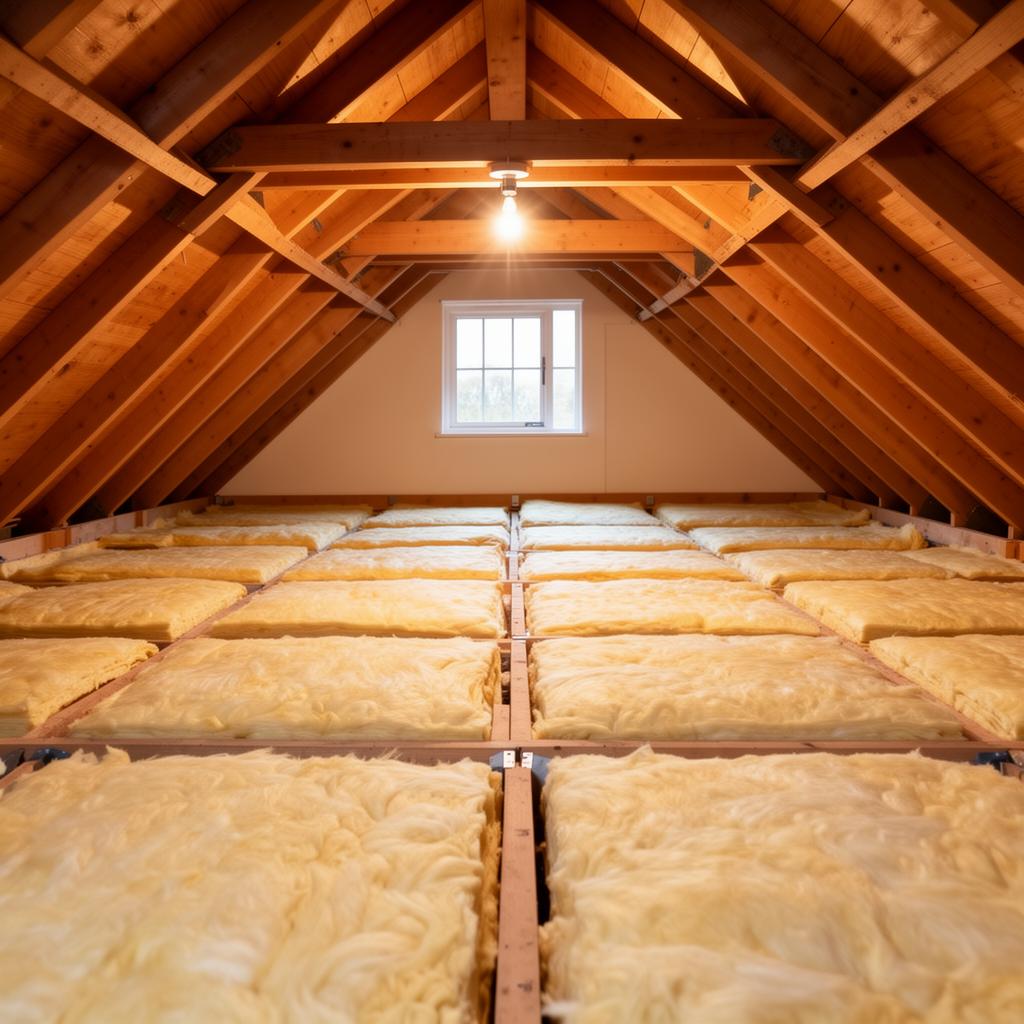
Loft insulation for a typical three-bedroom semi costs about £750 in 2026 if the loft is empty, or about £600 for a top-up, according to the Energy Saving Trust. Cavity wall insulation costs about £2,200. Solid wall insulation is the most expensive option at about £12,000 (internal) to £15,000 (external). These are the Trust’s typical installed costs; quotes for your home will vary with its size and the installer.
How Much Does Insulation Cost in 2026?
In 2026, the Energy Saving Trust puts insulation at about £650 to £1,200 for an empty loft, £950 to £3,900 for cavity wall insulation (a flat to a detached house) and about £12,000 (internal) to £15,000 (external) for solid wall insulation in a typical semi. Costs vary depending on property size, insulation type and installer. ECO4 funding can cover the full cost for eligible households until 31 December 2026; the Great British Insulation Scheme closed on 31 March 2026, but your council may fund insulation through the Warm Homes: Local Grant.
Lancashire properties often have a mix of solid stone walls in rural areas and cavity walls in post-1930s estates, which directly affects the type and cost of insulation required. Getting three quotes from local TrustMark-registered installers is the best way to establish an accurate price for your specific property.
Loft Insulation Costs in Lancashire
Loft insulation remains one of the cheapest and most effective energy efficiency upgrades for Lancashire homes. Government guidelines recommend a minimum depth of 270mm of mineral wool, though many energy support workers now suggest going deeper to 300mm or even 400mm given the relatively modest extra cost.
For a standard three-bedroom home in areas like Leyland, Bamber Bridge, or Oswaldtwistle, expect to pay:
- Top-up from existing insulation to 270mm – about £600 (Energy Saving Trust, from 120mm)
- Full installation from scratch (270mm) – about £750 (Energy Saving Trust)
- Full installation at 400mm depth – more than the 270mm price (the Energy Saving Trust gives no figure)
- Spray foam insulation – £1,200 to £2,500 (though we advise caution with this option)
The savings from proper loft insulation are significant. Going from no insulation to 270mm saves about £140 (mid-terrace) to £360 (detached) a year, or about £190 in a semi, the Energy Saving Trust estimates. Topping up from 100mm to 270mm saves far less: about £17 to £35 a year (its figures for a top-up from 120mm). That means an empty loft pays back in about four years in a semi, making it one of the best returns on investment of any home energy improvement, while a top-up takes decades.
A word of caution on spray foam. While it is effective as an insulator, it can cause problems with mortgage surveys and may make it harder to sell your home. Some lenders refuse mortgages on properties with spray foam in the loft. Stick with mineral wool rolls unless you have a specific reason to consider alternatives.
Cavity Wall Insulation Prices
Most Lancashire homes built between the 1920s and 1990s have cavity walls, which means two layers of brick or block with a gap between them. Filling that gap with insulation is one of the most cost-effective upgrades available.
Typical prices for cavity wall insulation in 2026, from the Energy Saving Trust:
- Two-bedroom terraced house – about £1,100 (mid-terrace)
- Three-bedroom semi – about £2,200
- Four-bedroom detached – about £3,900
The work takes just two to three hours. An installer drills small holes in the external walls, injects insulation material (usually polystyrene beads or mineral wool fibre), then plugs and fills the drill holes. You barely notice it has been done.
Annual savings range from about £110 (mid-terrace) to £380 (detached) depending on your home size, or about £200 in a semi (Energy Saving Trust), which means cavity wall insulation pays for itself in about ten or 11 years. Many Lancashire homes on the ECO4 scheme can get this done for free – more on that later.
Be aware that not all cavity walls are suitable for filling. Homes in exposed locations along the Fylde Coast or in the Pennine hills above Burnley and Rossendale may have cavities that are too narrow, or they may be at higher risk of rain penetration. A proper survey will identify any issues before work starts.
Solid Wall Insulation: External and Internal Options
Many of Lancashire’s oldest homes have solid walls with no cavity at all. This is common in the pre-1920 terraced houses that line the streets of Blackburn, Burnley, Accrington, and Darwen. These stone-built mill town homes are some of the coldest in the country without proper insulation.
External wall insulation (EWI) involves fixing insulation boards to the outside of your walls, then covering them with a protective render. Costs for a Lancashire mid-terrace are £6,000 to £10,000, while a detached home costs more than the Energy Saving Trust’s figure of about £15,000 for a typical semi.
Internal wall insulation (IWI) is fitted inside the home, using insulated plasterboard or a stud frame with insulation between. It is cheaper, at about £12,000 for a typical three-bedroom semi against about £15,000 for external insulation (Energy Saving Trust), but it does reduce your room sizes slightly – usually by about 50mm to 100mm per wall.
Both options save about £150 (mid-terrace) to £500 (detached) a year on heating bills, or about £280 in a semi, the Energy Saving Trust estimates. The choice between external and internal usually comes down to planning restrictions, budget, and personal preference. EWI changes the external appearance of your home, which may need planning permission in conservation areas around places like Clitheroe, Whalley, or the Ribble Valley villages.
Floor Insulation Costs
Floor insulation is often overlooked but can make a real difference to comfort and energy bills, particularly in draughty Lancashire homes with suspended timber floors. You can feel cold air rising through floorboards in many Victorian terraces across the county.
For suspended timber floors, insulation costs £1,400 to £2,500 depending on house type, according to the Energy Saving Trust. If there is a crawl space beneath, an installer can fit insulation from below without disturbing your flooring. If not, it means lifting floorboards, which adds to the cost.
Solid concrete floors are more expensive to insulate because you need to either add insulation on top (raising the floor level) or excavate. Costs typically run from £1,500 to £3,000. This is usually only done as part of a wider renovation project.
Annual savings from suspended floor insulation are modest at about £40 (mid-terrace) to £100 (detached bungalow), the Energy Saving Trust estimates, but the comfort improvement is significant. Combined with other insulation measures, it helps create a consistently warm home that a heat pump can heat efficiently.
Grants and Free Insulation in Lancashire
The ECO4 scheme provides free or heavily subsidised insulation to Lancashire homeowners who receive certain benefits (or qualify through their council under ECO4 Flex) and live in energy-inefficient homes. Qualifying benefits include Universal Credit, Pension Credit, and Income Support. Your home typically needs to have an EPC rating of D, E, F, or G.
Under ECO4, you can receive free loft insulation, cavity wall insulation, and in some cases solid wall insulation. Lancashire has one of the higher uptake rates in England, particularly in areas like Burnley, Hyndburn, and Pendle where older housing stock and lower incomes make many households eligible.
The Local Authority Delivery scheme (LAD) also funded insulation improvements in Lancashire, but it has ended; councils now run the Warm Homes: Local Grant. Contact your local council’s housing or energy team to find out what is available in your area.
Even if you do not qualify for grants, the 0% VAT rate applies to insulation materials and installation in residential properties, saving you the 5% VAT that returns on 1 April 2027.
Which Insulation Should You Prioritise?
If you are unsure where to start, follow this order based on cost-effectiveness:
- First: Loft insulation – Cheapest insulation to install, biggest savings per pound spent, and often available free through ECO4.
- Second: Cavity wall insulation – Quick, affordable, and high-impact if your home has unfilled cavities.
- Third: Draught-proofing – Low cost, immediate comfort improvement, and a good DIY project.
- Fourth: Floor insulation – Worth doing if you have a draughty suspended floor.
- Fifth: Solid wall insulation – The most expensive option but essential for pre-1920 homes that have no cavity to fill.
An EPC assessment is a good starting point. It costs around £60 to £90 and will tell you exactly where your home is losing heat and which improvements will have the biggest impact.
How long does insulation take to pay for itself in Lancashire?
On Energy Saving Trust figures for a semi-detached house: loft insulation, about four years from empty (a top-up from 120mm takes about 35). Cavity wall insulation: about 11 years. Solid wall insulation: about 43 years internal or 54 external (though grants can reduce this significantly). Suspended floor insulation: about 25 to 45 years. These payback periods assume current energy prices, and shorter payback is likely if energy costs rise further.
Can I get free insulation if I am on benefits in Lancashire?
Yes, the ECO4 scheme provides free insulation to households receiving qualifying benefits such as Universal Credit or Pension Credit. Your home usually needs to have an EPC rating of D or below. Contact your local council or a TrustMark registered ECO4 installer to check your eligibility.
Is cavity wall insulation safe for Lancashire homes near the coast?
It depends on the exposure level. Homes in Blackpool, Morecambe, and Fleetwood that face directly onto the sea may not be suitable for standard cavity fill due to the risk of driving rain penetrating the insulation. A surveyor will assess your home’s exposure rating and recommend appropriate materials or alternative approaches if standard cavity fill is not suitable.
Which grants can you actually get?
Six quick questions, answered entirely in your browser — nothing stored, nothing sent. Insulation is the measure grants cover most often.

Related Articles

Best insulation brands in the UK for 2026
Kingspan, Celotex, Rockwool, Knauf and Superglass compared on published lambda, merchant price per square metre and fire classification, with prices checked in July 2026.
19 September 2026
Sheep’s wool vs mineral wool insulation: is the premium worth it
Sheep's wool costs roughly five times more than glass mineral wool for a 14% better lambda and a worse fire class. Where that trade makes sense, and where it plainly…
18 September 2026
PIR vs mineral wool insulation: which to use where
PIR needs half the thickness of mineral wool and costs several times more per square metre. A straight comparison on U-value, cost at equal resistance, fire class, moisture and sound.
17 September 2026