Funding a Heat Pump When You Do Not Qualify for Grants
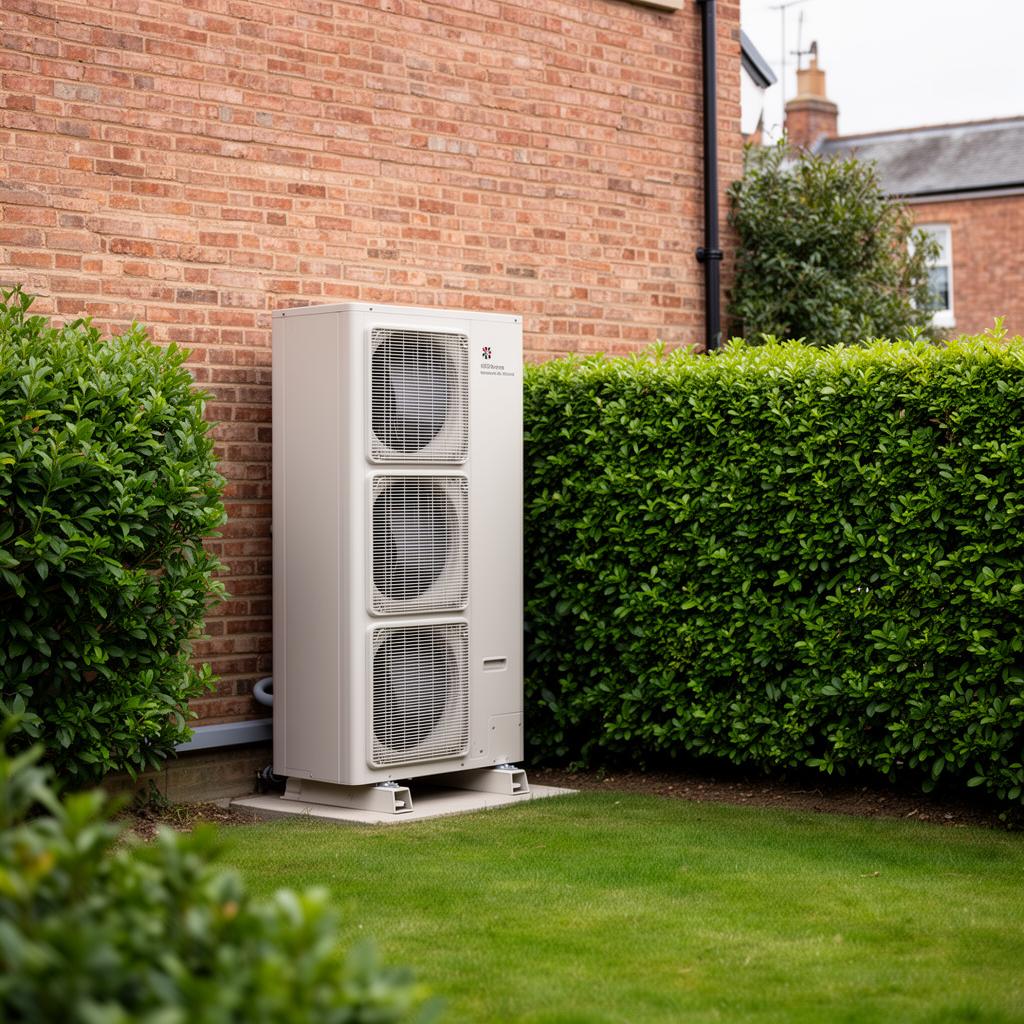
The £7,500 Boiler Upgrade Scheme grant covers a significant chunk of heat pump costs, but some Lancashire homeowners fall outside its eligibility criteria – perhaps because you already have a heat pump that needs replacing, your property is a new build, or other circumstances exclude you. Without the government grant, a fully installed air source heat pump costs £8,000 to £15,000, which is a significant outlay. Here are the realistic financing options available to Lancashire homeowners who need to fund the full cost themselves.
How to Fund a Heat Pump Without Grant Eligibility
- 0% interest green loans — several UK lenders offer unsecured green home improvement loans from £5,000 to £25,000 with 0% introductory rates for 12 to 24 months
- Heat pump finance plans — many installers certified under MCS offer monthly payment plans spreading costs over 5 to 10 years at rates from 4.9% APR
- Remortgage or equity release — adding the cost to your mortgage at a lower interest rate can reduce monthly outgoings compared to a personal loan
- 0% VAT saving — heat pumps are zero-rated for VAT until 31 March 2027, saving you the 5% VAT that returns then on materials and installation
- Renewable Heat Incentive legacy payments — if you applied before the scheme closed, quarterly payments continue for seven years
- Local authority interest-free loans — some Lancashire councils offer home energy loans of up to £10,000 repayable over 5 years
Without the £7,500 Boiler Upgrade Scheme grant, a typical air source heat pump installation costs £10,000 to £15,000. However, the 0% VAT alone saves £500 to £750 (5% of the cost), and annual running costs of £700 to £1,000 are typically lower than a gas boiler. Over 15 years, most homeowners recoup the full investment through energy savings and increased property value.
Why Some Lancashire Homeowners Do Not Qualify
The government grant has specific criteria that exclude certain situations. Properties that have already received a Boiler Upgrade Scheme voucher cannot apply again, even if the original heat pump needs replacing years later. New-build homes are excluded, as are properties that already have renewable heating (including an existing heat pump, biomass boiler, or solar thermal system as the primary heat source). Social housing tenants are directed to separate funding streams.
Some Lancashire homeowners miss out on the grant because of administrative issues – planning complications or disputes over property ownership. While these issues can sometimes be resolved, they can delay applications beyond the available budget windows.
0% VAT: The Benefit Everyone Gets
Regardless of grant eligibility, all heat pump installations benefit from 0% VAT on both materials and labour. This applies until 31 March 2027 and saves the 5% VAT due back then. On a £12,000 installation, that is about £600. This benefit applies automatically – you do not need to apply for it.
Green Home Improvement Loans
Several banks and building societies now offer specific loan products for energy efficiency improvements. These often carry lower interest rates than standard personal loans because the lender recognises that energy improvements add value to the property and reduce default risk.
Nationwide Building Society offers a green additional borrowing option for existing mortgage customers at preferential rates. Barclays, HSBC and NatWest all have green personal loan products with rates starting from 3% to 5% APR for home energy improvements. At 4% APR over 10 years, borrowing £10,000 costs approximately £101 per month, with total interest of approximately £2,100 over the loan term.
Local credit unions in Lancashire, including Lancashire Community Finance and several borough-based credit unions, offer ethical lending for home improvements at competitive rates. These can be particularly helpful for homeowners who may not meet high-street bank lending criteria.
The key consideration with any loan is whether the monthly repayment plus the heat pump’s running costs are less than your current heating costs. For many Lancashire homes switching from oil or LPG (which are expensive fuels), the answer is often yes. For homes switching from gas, the equation is tighter, but the eliminated gas standing charge (about £108 a year at the October to December 2026 cap) and the heat pump’s efficiency advantage usually make it work over the loan term.
Manufacturer Finance Schemes
Several heat pump manufacturers offer finance packages through their installer networks. Vaillant, Mitsubishi and Daikin all have finance partnerships that allow homeowners to spread the cost over 5 to 15 years. Interest rates are typically 5% to 8% APR, slightly higher than the best green personal loans but convenient because the installer arranges everything as part of the installation process.
Some manufacturers run 0% interest promotions for limited periods, usually on specific models. These are excellent if the timing works out, as you pay no more than the cash price but spread the payments. Ask your installer about any current manufacturer finance offers before committing to other borrowing.
Qualified installers across Lancashire, particularly the larger firms, often have their own finance arrangements with lending partners. These can range from straightforward interest-bearing loans to more creative structures. Always compare the total cost of any installer finance against a personal loan from your bank to ensure you are getting the best deal.
Equity Release and Retirement Interest-Only Mortgages
For older Lancashire homeowners who own their property outright, equity release or a retirement interest-only (RIO) mortgage can fund a heat pump without monthly capital repayments. Several equity release providers now offer products specifically for green home improvements.
A small equity release of £10,000 to £15,000 for a heat pump installation is a much more modest commitment than the larger sums typically associated with equity release. The improvement adds value to the property and reduces its running costs, which can partially offset the interest that accrues on the released equity.
Always take independent financial advice before considering equity release. The Equity Release Council provides a directory of qualified advisers, and several operate in the Lancashire area. Age UK Lancashire can also provide initial guidance on whether this approach is suitable for your circumstances.
Using Savings: The Return on Investment
If you have savings available, paying for a heat pump outright is the most cost-effective approach. With no interest to pay, the investment returns purely through energy savings. Consider the return on investment compared to leaving the money in a savings account.
A heat pump saving an estimated £500 per year on a £10,000 investment delivers a 5% annual return, which is competitive with current savings rates and comes with the additional benefit of a more comfortable, lower-carbon home. Over the heat pump’s 20 to 25-year lifespan, the total return could be £10,000 to £15,000 in energy savings, plus any increase in property value.
The risk is lower than many financial investments because the savings are largely predictable (you will always need to heat your home) and increase if energy prices rise. The main risk is unexpected repair costs, which are mitigated by manufacturer warranties (typically 5 to 10 years, extendable to 15) and maintenance contracts.
Reducing the Upfront Cost
Even without the Boiler Upgrade Scheme, there are ways to reduce the total cost of a heat pump installation:
- Get multiple quotes – prices vary significantly between installers in Lancashire, with differences of £2,000 to £4,000 for comparable systems. Three quotes is the minimum
- Insulate first – better insulation means a smaller heat pump, which costs less. Loft insulation (about £600 for a top-up or £750 for an empty loft, Energy Saving Trust) and cavity wall insulation (potentially free through ECO4 until 31 December 2026 if you are eligible, or funded by your council’s Warm Homes: Local Grant; the Great British Insulation Scheme closed on 31 March 2026) can allow a 6kW unit instead of a 9kW unit, saving an estimated £1,000 to £2,000 on the heat pump cost
- Keep existing radiators where possible – a good installer will design the system to work with your existing radiators at a slightly higher flow temperature, avoiding unnecessary radiator replacement costs
- Choose a competitive brand – Samsung, Grant and LG heat pumps typically cost 15% to 25% less than premium brands like Vaillant, while delivering comparable performance
- Time your installation for quieter periods – late spring and early summer are typically quieter for heat pump installers, and some offer lower prices to fill their schedules
Alternative Funding Sources
Some Lancashire homeowners access additional funding through employer green benefit schemes, salary sacrifice arrangements for home improvements, or local authority home improvement loans. Several Lancashire councils, including Blackburn with Darwen and Lancaster, have operated interest-free or low-interest home improvement loan schemes in the past, and similar programmes may be available.
The Energy Saving Trust provides an up-to-date database of available funding schemes by postcode, which is worth checking before committing to any financing approach. New programmes appear regularly, and area-specific funding may be available through local energy partnerships or housing improvement initiatives.
What is the cheapest way to fund a heat pump without grants?
Paying from savings gives the best return because you avoid interest costs. If borrowing is necessary, a green personal loan from a high-street bank at 3% to 5% APR is typically cheaper than manufacturer or installer finance. Always compare total cost over the loan term, not just the monthly payment. Remember that 0% VAT saves about 5% of the installation cost, against the rate due back in April 2027, whichever way you fund it.
Will a heat pump pay for itself without the government grant?
For homes switching from oil or LPG heating, a heat pump typically pays for itself in 8 to 12 years without the grant. For homes switching from gas, the payback is longer at 12 to 18 years, but still within the heat pump’s expected 20 to 25-year lifespan. Eliminating the gas standing charge and benefiting from 0% VAT improve the economics. Rising gas prices or falling electricity prices would shorten the payback further.
Can I get ECO4 funding for a heat pump instead of the Boiler Upgrade Scheme?
ECO4 can fund heat pump installations for households receiving qualifying benefits, but it follows a “fabric first” approach, meaning insulation must be in place before or alongside the heating upgrade. If you qualify for ECO4, a heat pump may be funded at no cost to you as part of a comprehensive package. Contact your energy supplier or a TrustMark installer to check ECO4 eligibility.
Which grants can you actually get?
Six quick questions, answered entirely in your browser — nothing stored, nothing sent. Covers the Boiler Upgrade Scheme, Warm Homes: Local Grant and the devolved schemes.

Related Articles

Energy Grant Scams: How to Spot Them and Check Who’s Really Certified
Grant scammers borrow real scheme names — and real deadlines — to pressure you into upfront fees. Here are the red flags in order of reliability, how each genuine scheme…
25 August 2026
ECO4 in Northern Ireland: why you can’t get it, and what to use instead
ECO4 is a Great Britain scheme that ends on 31 December 2026, and it never covered Northern Ireland. Here is exactly where NI households can go instead, with a signposting…
19 August 2026
Boiler Upgrade Scheme for Landlords and Second Homes: What Qualifies
GOV.UK explicitly allows second homes, rentals and business-owned property to claim the Boiler Upgrade Scheme, one grant per property. With the £9,000 window for oil and LPG homes with no…
17 August 2026