Frozen Condensate Pipe: How to Thaw It Safely and Stop It Freezing Again
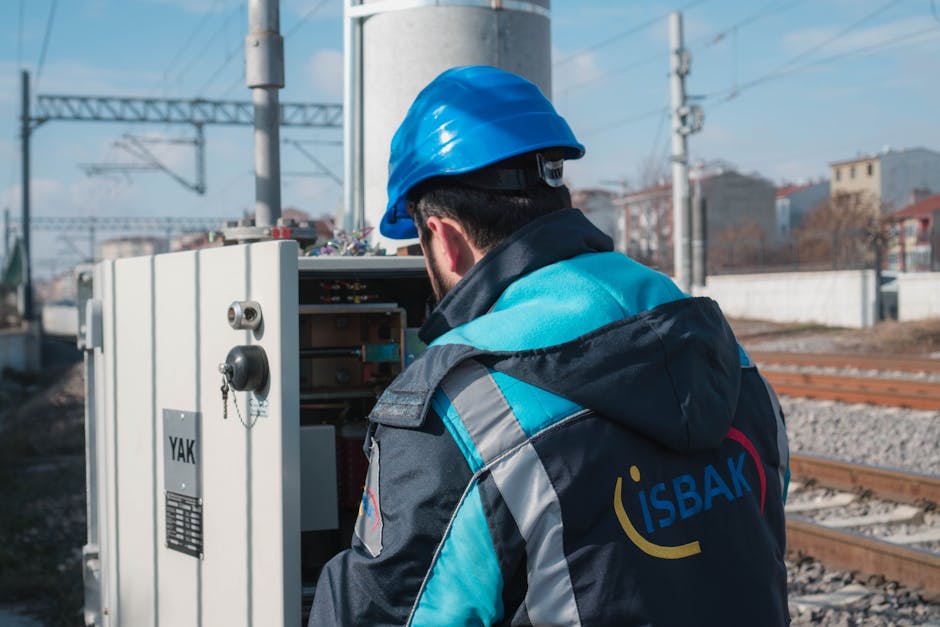
Quick answer: If your boiler locks out on a freezing morning with a gurgling noise and a fault code, the condensate pipe outside has almost certainly frozen. Pour warm — never boiling — water along the frozen section, reset the boiler, and it will usually fire back up within minutes. The permanent cure is a 32mm insulated pipe, or rerouting it indoors.
This guide covers the condensate pipe on a condensing gas or oil boiler — the classic symptom is the boiler locking out with a fault code on a freezing morning. If you have a heat pump and are seeing ice building up around the outdoor unit instead, that is a different problem: see heat pump condensate and defrost-water freezing.
It’s the classic British heating failure: the coldest morning of the year is precisely when the boiler refuses to work. The fault is usually not the boiler at all, but a thin plastic pipe on the outside wall. Here’s how to get your heating back this morning, and how to make sure it never happens again.
What the condensate pipe is and why it freezes
Every modern condensing boiler squeezes extra heat from its exhaust gases — enough that the water vapour in them condenses back into liquid. That mildly acidic condensate, which can add up to around two litres an hour while the boiler runs, drains away through a plastic pipe. Ideally it discharges into an internal waste pipe or soil stack. But on millions of homes it runs out through the wall and down to an outside drain — and if that external run is narrow, long, shallow or uninsulated, the trickle of water inside it freezes solid in sub-zero weather. The boiler senses the blockage and shuts down as a safety measure.
Telltale signs: the failure coincides with freezing weather, you hear a gurgling or bubbling noise from the boiler, and the display shows a fault code (the exact code varies by manufacturer — check your manual, but most brands have one specifically for condensate blockage or ignition lockout).
How to thaw it safely
- Find the frozen section. It’s almost always outside: check the pipe’s elbow bends, its open end above the drain, and any long horizontal stretch. Frost or ice on the outside of the pipe gives it away.
- Pour warm water along it. Use water that’s comfortably hand-hot — a kettle boiled and left to cool for ten minutes, or hot tap water. Pour slowly over the frozen section, working along the pipe.
- Or use gentle contact heat. A hot water bottle or a microwaveable heat pack held against the pipe works well and won’t soak your path.
- Never use boiling water. It can crack the plastic pipe — and it refreezes into a sheet of ice exactly where you’re standing.
- Stay on the ground. If the frozen section is above comfortable reach, leave it: no boiler is worth a fall from a ladder in icy weather.
- Reset the boiler. Once the ice has cleared, follow the reset procedure in your manual. The boiler should fire up; check the pressure gauge afterwards and top up if it’s low.
If it won’t restart after thawing, or it locks out repeatedly, call a Gas Safe registered engineer rather than resetting it over and over.
Stopping it freezing again
The industry-standard fixes come from the Heating and Hotwater Industry Council’s condensate pipe installation guidance, which every installer should be working to:
| Fix | What it involves | Best for |
|---|---|---|
| Reroute the pipe internally | Discharging into an internal soil stack or waste pipe so no pipework is exposed to frost | The gold standard — do this wherever the layout allows |
| Upsize and insulate the external run | Replacing the external section with pipe of at least 30mm internal diameter (32mm pipe) wrapped in waterproof Class O insulation | Most homes where some external run is unavoidable |
| Shorten and steepen the run | Keeping the external section as short as possible with a continuous fall so water never sits in the pipe | Any external run — costs almost nothing during other work |
| Trace heating cable | A self-regulating heating element along the pipe that switches on near freezing | Repeat offenders and exposed, north-facing walls |
None of this is expensive work — typically a small job for a heating engineer — and it’s vastly cheaper than an emergency winter call-out. The easy move is to have the condensate run checked and brought up to current guidance during your annual boiler service, or insist on it as part of any new installation: if you’re replacing the boiler anyway, our new boiler cost guide and boiler guide cover what to ask for. A frozen-condensate lockout on a brand-new boiler is an installation defect, not bad luck.
Sort it in summer, not December
A July heatwave is exactly the right time to fix a pipe that fails in January: engineers are quieter, you’re not without heating while the work happens, and you’ll have forgotten all about it by the first frost. Walk round the house today — if you can see a thin (21.5mm) uninsulated white or grey plastic pipe running from the boiler position to an outside drain, that’s the one to deal with.
FAQs
Can a frozen condensate pipe damage my boiler?
The lockout itself is protective, so no — the boiler is doing its job. Repeated freeze–thaw cycles can crack the pipe or its fittings, though, which then leaks mildly acidic water down your wall, so don’t treat thawing as a permanent solution.
Should my condensate pipe drip outside?
A steady drip into an outside gully or drain while the boiler runs is normal on an externally routed pipe — that’s condensate leaving as designed. A drip from a copper pipe is different: that’s the pressure relief valve discharging, which points to a pressure fault rather than condensate.
Is this a DIY job or an engineer job?
Thawing the pipe is a safe DIY job from ground level. Replacing or rerouting the condensate pipework should be done by a competent installer working to the HHIC guidance, and anything involving the gas side or the boiler internals must be done by a Gas Safe registered engineer.
What would an upgrade save you?
Pick an upgrade and your region — instant modelled cost, annual saving and payback, from the same dataset behind our local guides.

Related Articles

Best electric heating for a flat with no gas, ranked by running cost
No gas supply doesn't mean expensive heating is inevitable. Air-to-air heat pumps, storage heaters, infrared and panel heaters ranked by what they actually cost to run.
14 October 2026
Storage heater settings for winter: input, output and Economy 7 timing
Input fills the bricks with cheap overnight heat, output spends it. Set them the right way round and Economy 7 works as promised. The winter baseline settings, scenario by scenario,…
14 October 2026
Best combi boiler for a small flat: compact, low-output picks
Small flats need small, quiet combis that fit a kitchen cupboard and don't short-cycle on four radiators. Our picks with prices, dimensions and warranty terms.
12 October 2026