Log burner vs heat pump running costs: the price of a kWh of heat
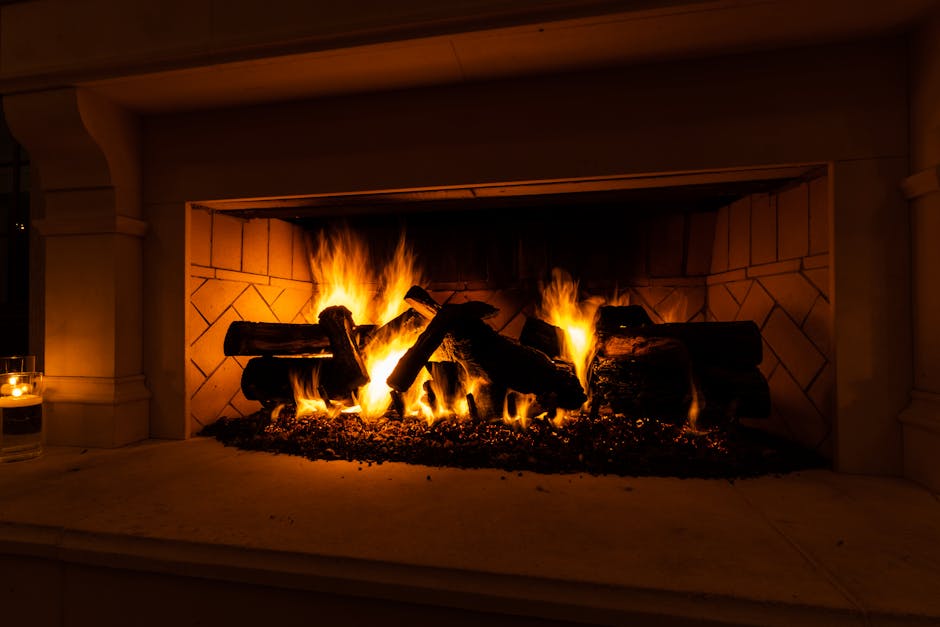
Quick answer: Per kWh of heat into the room, the heat pump wins comfortably. Kiln-dried hardwood at 74p/kg (Homebase, checked July 2026) delivers heat at roughly 23p/kWh through a modern stove. A heat pump at real-world efficiency delivers it for about 9p/kWh at the 26.32p cap rate. Free wood flips the result.
The log burner has a reputation as the thrifty option, a hedge against electricity prices. Sometimes it is. But most people buying logs by the crate have never worked out what they pay per unit of heat, and the wood trade doesn’t make it easy. So let’s do it properly. Method and assumptions follow our costs page; these are modelled comparisons from published prices, not meter readings.
What wood heat really costs
Kiln-dried hardwood at 20% moisture holds about 4.1 kWh of energy per kilogram (FirewoodFund’s wood fuel guide, checked July 2026). A modern Ecodesign stove turns roughly three-quarters of that into room heat; manufacturer ratings cluster around 75 to 80%. Call it 3.1 to 3.3 kWh of useful heat per kilo.
Now the awkward part: almost nobody sells logs by the kilo. Certainly Wood, the specialist supplier, prices a 1.2m³ loose-fill bulk bag at £292.50 (checked July 2026), with no weight stated. FirewoodFund’s pricing guide puts kiln-dried hardwood at £170 to £230 per cubic metre. Volume pricing hides the number you actually need. The cleanest benchmark we found with a stated weight is Homebase’s Warma 300kg kiln-dried hardwood bulk bag at £222 (checked July 2026): exactly 74p/kg.
At 74p/kg and 78% efficiency, a kWh of heat from your stove costs about 23p. Find logs at 50p/kg and it drops to about 16p. Both figures land well above every mainstream alternative.
The comparison table
| Heat source | Assumptions | Cost per kWh of heat, modelled |
|---|---|---|
| Log burner, logs at 74p/kg | 4.1 kWh/kg, 78% efficient stove | about 23p |
| Log burner, logs at 50p/kg | same stove | about 16p |
| Air source heat pump, year round | SPF 2.80, elec at 26.32p/kWh | about 9.3p |
| Air source heat pump, coldest days | efficiency 2.44, elec at 26.32p/kWh | about 10.7p |
| Gas boiler | 85% efficient, gas at 7.97p/kWh | about 8.6p |
| Log burner, free wood | your labour, drying time and a moisture meter | close to zero |
The heat pump figures use the median results from Energy Systems Catapult’s Electrification of Heat trial, which monitored hundreds of heat pumps in real UK homes: a seasonal performance factor of 2.80, and 2.44 on the coldest days of the year. Not lab numbers, actual homes. We’ve broken down the northern data in our cold weather article.
Run the break-even the other way and the stove needs logs under roughly 30p/kg to match heat pump heat. Bought kiln-dried wood doesn’t get there. Scavenged, gifted or home-seasoned wood does, which is why the sums for a farmhouse with a log store and a chainsaw look nothing like the sums for a semi buying crates.
The rules you’re burning under
- In England, wood sold in volumes under 2m³ must be certified Ready to Burn at 20% moisture or less. Wet wood is off the menu, legally and practically.
- Since January 2022, new stoves sold in the UK must meet Ecodesign limits on emissions and efficiency. An old pre-Ecodesign stove is dirtier and wastes more of your wood.
- In smoke control areas, which cover many towns and cities, you must use an exempt appliance and authorised fuel. Check your council before installing anything.
- Defra’s emissions statistics put domestic combustion at 20% of the UK’s fine particle (PM2.5) pollution in 2024, most of it from burning wood indoors (checked July 2026). That’s the documented trade-off, and it applies indoors and out.
The comparison people actually make
In fairness, few households run a stove as whole-house heating. The realistic comparison is a stove heating the living room hard while the central heating drops a couple of degrees everywhere else. That arrangement can trim the gas bill, but the trimmed gas cost about 8.6p/kWh and the wood replacing it cost 16 to 23p, so the stove evening is still the dearer evening. The comfort is real; the saving is an illusion the crackle makes easy to believe.
Capital costs push the same way in 2026. A heat pump installation qualifies for the £7,500 Boiler Upgrade Scheme grant in England and Wales and 0% VAT until 31 March 2027, while a stove, flue and installation are entirely your money. Our heat pump guide and calculator will give you modelled whole-house numbers for your own place.
So who should actually have one?
As a savings plan, nobody. The fuel costs more per unit of heat than a heat pump or a gas boiler, before you count the stove, the flue and the annual sweep.
As a room heater for the coldest evenings, with access to genuinely cheap or free dry wood, the sums change completely. As resilience against power cuts in a rural spot, a stove earns its place on grounds no spreadsheet captures. And plenty of owners would pay 23p/kWh for the ritual alone. Those are fine reasons to own one. Saving money isn’t among them.
FAQs
Is a log burner cheaper to run than gas central heating?
Not on bought kiln-dried wood. Our modelled figures put stove heat at 16p to 23p per kWh against about 8.6p for an 85% efficient gas boiler at cap rates. Free wood is the exception.
Can I burn pallets or scrap timber for free heat?
Only untreated, unpainted timber, and only dry. Painted, glued or treated wood releases nasty combustion products and can damage the stove and flue. If in doubt, don’t.
How much wood does a stove get through in a winter?
Certainly Wood’s buying guide puts a regular UK wood burner at 3 to 4 cubic metres of kiln-dried logs over a typical winter. At current bulk bag prices that’s several hundred pounds a season, which is worth knowing before the stove is ordered.

Related Articles

Best combi boiler for a small flat: compact, low-output picks
Small flats need small, quiet combis that fit a kitchen cupboard and don't short-cycle on four radiators. Our picks with prices, dimensions and warranty terms.
12 October 2026
Quietest boilers in the UK: published dB figures compared
Living in a flat or open-plan home, boiler noise is a real buying factor. We've compared the published decibel ratings so you don't have to guess.
10 October 2026
Is it cheaper to leave the heating on all day? The maths says no
The all-day heating debate, settled with numbers. Our modelled January example puts always-on about 25% dearer at cap rates, and explains the one heating system where the myth is actually…
9 October 2026