ECO4 Grant Explained: Free Insulation for Lancashire Homeowners
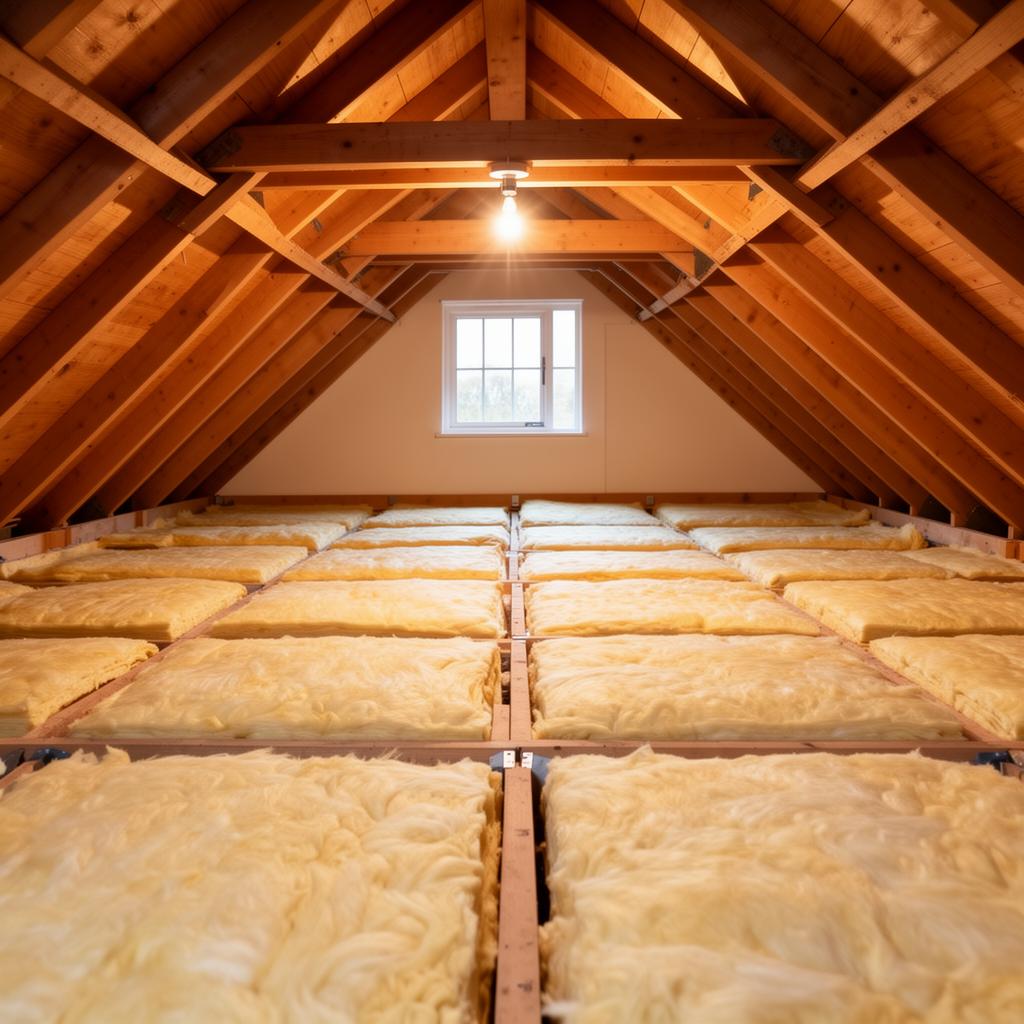
The Energy Company Obligation (ECO4) is the UK government’s flagship programme for free home insulation, and Lancashire homeowners are among those who benefit most. With some of the highest fuel poverty rates in England – particularly in Burnley, Pendle, and Hyndburn – thousands of households across the county qualify for fully funded cavity wall, loft, and even solid wall insulation. Here’s exactly how it works.
What Is the ECO4 Grant for Free Insulation?
The ECO4 grant is a UK government-backed programme that provides insulation — including loft, cavity wall and solid wall insulation — to eligible Lancashire homeowners, usually at no cost. Funded by the major energy suppliers and running until 31 December 2026, it targets fuel-poor households and properties with EPC ratings of D, E, F or G. Qualifying homeowners usually receive all approved measures free, with no repayment.
Lancashire has particularly strong ECO4 eligibility due to the county’s high proportion of older housing stock and above-average fuel poverty rates. You qualify through the benefits pathway if you receive Universal Credit, Pension Credit, Income Support, JSA or ESA. Alternatively, your local council can refer you through ECO Flex if your household income is low, you live in a deprived area, or a household member has a health condition made worse by cold housing. The scheme covers survey costs, materials and installation labour.
What Is the ECO4 Grant Scheme?
ECO stands for Energy Company Obligation. It’s a government programme that requires large energy suppliers – including British Gas, EDF, E.ON, OVO, and Octopus Energy – to fund energy efficiency improvements in qualifying homes. The current version, ECO4, runs until 31 December 2026 and focuses on bringing the least energy-efficient homes up to a minimum EPC (Energy Performance Certificate) rating of band D.
In plain English: if your home is draughty, poorly insulated, and expensive to heat, ECO4 could pay for insulation upgrades at absolutely no cost to you. The work is carried out by approved local installers, and the energy companies pick up the bill.
This isn’t a loan. There’s nothing to pay back. It’s a grant, fully funded through obligations placed on energy suppliers by the government.
Who Qualifies for ECO4 in Lancashire?
Eligibility for ECO4 falls into two main routes. The first is the benefits-based route, which covers the majority of applicants. The second is the flexible eligibility route, which local councils can use to refer households they consider to be living in fuel poverty.
You’re likely to qualify through the benefits route if you (or someone in your household) receives any of the following:
– Universal Credit (with an annual income under £31,000)
– Pension Credit
– Income-related Employment and Support Allowance (ESA)
– Income-based Jobseeker’s Allowance (JSA)
– Income Support
– Housing Benefit
– Warm Home Discount (core group)
Your home also needs to have an EPC rating of D, E, F, or G. Many older Lancashire properties – especially the Victorian and Edwardian terraces common in Burnley, Blackburn, Nelson, and Darwen – fall into these lower bands because they were built before modern insulation standards existed.
ECO4 Eligibility at a Glance
| Criteria | Requirement |
|---|---|
| Home EPC rating | D, E, F, or G |
| Qualifying benefits | Universal Credit, Pension Credit, ESA, JSA, Income Support, Housing Benefit, Warm Home Discount |
| Property type | Owner-occupied or privately rented (with landlord permission) |
| Tenure | Homeowners, private tenants, and some social housing tenants |
| Income cap (UC) | Under £31,000 annual household income |
| Tax credits | Ended on 5 April 2025; claimants moved to Universal Credit |
| Flexible eligibility | Local council referral for fuel-poor households not on qualifying benefits |
Request a free quote and up to three approved installers who cover your area may contact you. No charge, no obligation.
What Insulation Does ECO4 Cover?
ECO4 can fund several types of insulation, depending on what your home needs. The most common measures installed in Lancashire homes include:
Cavity wall insulation – Many homes across Lancashire built between the 1930s and 1990s have unfilled cavity walls. Insulating these cavities is one of the most cost-effective upgrades, typically saving about £200 a year on heating bills in a semi-detached house and £380 in a detached one, the Energy Saving Trust estimates. The process takes around two to three hours and involves drilling small holes in the external brickwork, injecting insulation material, then sealing the holes.
Loft insulation – If your loft has less than 270mm of insulation (roughly 10 inches), you could benefit from a top-up or full installation. This is one of the simplest and most effective improvements where the loft starts empty, saving about £140 (mid-terrace), £190 (semi) or £360 (detached) a year; a top-up from 120mm saves only about £17 to £35 (Energy Saving Trust). Most loft insulation jobs take half a day.
Solid wall insulation – Older stone-built terraces in East Lancashire often have solid walls with no cavity to fill. Internal or external solid wall insulation is more involved but can save an estimated £225 to £490 a year. ECO4 usually covers the full cost for eligible households, which is significant because this type of insulation typically costs about £12,000 (internal) to £15,000 (external) privately, according to the Energy Saving Trust.
Underfloor insulation – Less common, but available for homes with suspended timber floors. Saves about £55 a year (Energy Saving Trust).
How to Apply for ECO4 in Lancashire
Applying for ECO4 is straightforward. Here’s the step-by-step process:
Step 1: Check your eligibility. Look at the qualifying benefits list above and check your home’s current EPC rating. You can find your EPC for free at the government’s EPC register online. If you don’t have an EPC, one will be arranged as part of the application process.
Step 2: Contact your energy supplier. Your current energy supplier is the best first port of call. Call their ECO team directly and ask about eligibility. British Gas, OVO, EDF, and Octopus all have dedicated ECO helplines.
Step 3: Get a home assessment. If you’re eligible, your supplier will arrange for an assessor to visit your home. They’ll check what insulation measures are suitable and confirm the work that can be done.
Step 4: Installation. Once approved, a local installer will carry out the work. Most loft and cavity wall insulation jobs are completed within a day. Solid wall insulation takes longer, typically one to two weeks.
Step 5: Post-installation EPC. After the work is done, a new EPC assessment is carried out to confirm your home’s improved energy rating.
Local Council Contacts for ECO4 in Lancashire
If you don’t qualify through the benefits route, your local council may be able to refer you through the flexible eligibility pathway. This is designed for households living in fuel poverty who don’t receive qualifying benefits. Here are the key contacts:
Lancashire County Council – Visit their website or call the council’s main line and ask for the energy efficiency team. Cosy Homes in Lancashire (CHiL), the Blackpool-led Warm Homes: Local Grant consortium for 13 Lancashire councils (not Fylde), has fully committed its 2026/27 funding; application forms reopen in March 2027.
Blackburn with Darwen Borough Council – Has its own ECO4 flexible eligibility statement and actively refers residents. Contact the housing standards team.
Burnley Borough Council – Works closely with ECO4 installers and has a dedicated warm homes referral pathway. Burnley has one of the highest rates of fuel poverty in the North West, so the council is particularly proactive in helping residents access funding.
Pendle Borough Council – Similar schemes available, with a focus on the older housing stock in Nelson, Colne, and Brierfield.
Hyndburn Borough Council – Covers Accrington, Great Harwood, and Oswaldtwistle. Contact the environmental health team for referrals.
How Much Can You Save with Free ECO4 Insulation?
The savings depend on what insulation is installed and the current state of your home. Here’s a realistic breakdown, with the private costs and the loft, cavity wall and underfloor savings from the Energy Saving Trust:
| Insulation Type | Typical Annual Saving | Private Cost (Without ECO4) | ECO4 Cost to You |
|---|---|---|---|
| Loft insulation (0 to 270mm) | £140 (mid-terrace) to £360 (detached) | About £750 | Free |
| Cavity wall insulation | £200 (semi) to £380 (detached) | About £2,200 | Free |
| Solid wall insulation (internal) | £225 – £400 | About £12,000 | Free |
| Solid wall insulation (external) | £225 – £490 | About £15,000 | Free |
| Underfloor insulation | About £55 | £1,400 – £2,500 (suspended timber floor) | Free |
For a typical three-bedroom semi-detached house in Blackburn or Burnley with no insulation, getting both cavity wall and loft insulation through ECO4 could save you about £390 a year on Energy Saving Trust figures (£740 in a detached house). Over the remaining life of the insulation – which typically lasts 40 years or more – that’s a huge amount of money you’d otherwise be spending on heating.
Frequently Asked Questions
Can private tenants get ECO4 insulation in Lancashire?
Yes. Private tenants can apply for ECO4, but you’ll need your landlord’s written permission before any work can be carried out. Many landlords agree because the improvements increase the property’s EPC rating and value at no cost to them. If your landlord refuses, you can ask your local council for support.
How long does ECO4 take from application to installation?
The typical timeline is four to eight weeks from your initial enquiry to completed installation. This includes the eligibility check, home assessment, and scheduling the work. Cavity wall and loft insulation are usually done within a single day. Solid wall insulation takes longer to install but the approval process is similar.
Is ECO4 ending soon?
ECO4 runs until 31 December 2026, and no successor supplier obligation has been announced, so if you’re eligible now, it’s worth applying sooner rather than later. Demand is high in Lancashire and installation slots do fill up, especially through the autumn and winter months.
What if my home already has some insulation?
ECO4 can still help. If your loft insulation is below 270mm, you can get a top-up to the recommended level. If you have cavity walls that were partially filled or filled a long time ago, an assessor can check whether a replacement or top-up is needed. The scheme aims to bring your whole home up to a reasonable standard, not just address one issue.
Related Product Guides
Home Insulation — UK Costs, Grants & Installers (2026)
Which grants can you actually get?
Six quick questions, answered entirely in your browser — nothing stored, nothing sent. Covers the Boiler Upgrade Scheme, Warm Homes: Local Grant and the devolved schemes.

Related Articles

Energy Grant Scams: How to Spot Them and Check Who’s Really Certified
Grant scammers borrow real scheme names — and real deadlines — to pressure you into upfront fees. Here are the red flags in order of reliability, how each genuine scheme…
25 August 2026
ECO4 in Northern Ireland: why you can’t get it, and what to use instead
ECO4 is a Great Britain scheme that ends on 31 December 2026, and it never covered Northern Ireland. Here is exactly where NI households can go instead, with a signposting…
19 August 2026
Boiler Upgrade Scheme for Landlords and Second Homes: What Qualifies
GOV.UK explicitly allows second homes, rentals and business-owned property to claim the Boiler Upgrade Scheme, one grant per property. With the £9,000 window for oil and LPG homes with no…
17 August 2026