Heat Pump Grants Timeline: How Long It Takes from Application to Installation
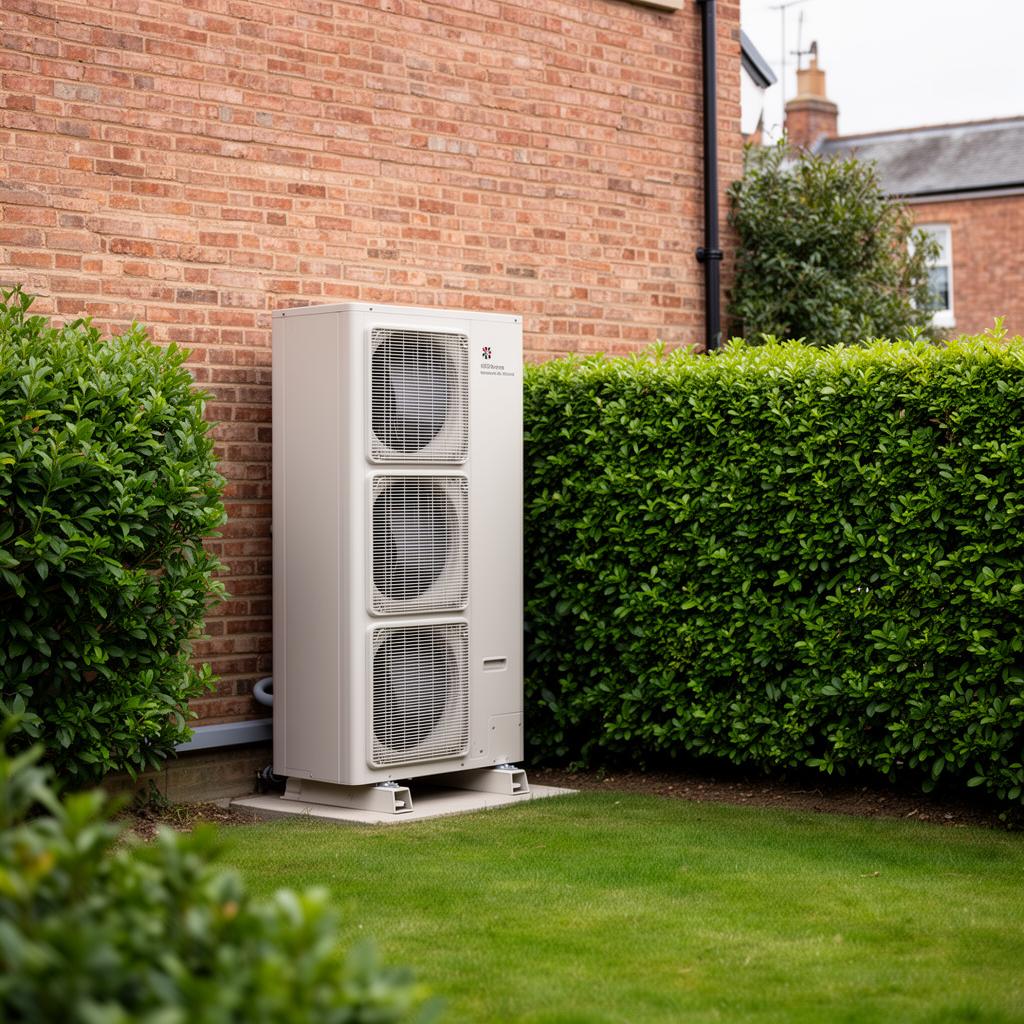
The most common question Lancashire homeowners ask about heat pump grants is how long the whole process takes. The honest answer is 8-16 weeks from your first enquiry to a fully working heat pump, depending on the complexity of your property, the availability of your chosen installer, and how quickly paperwork is processed. Here is a realistic week-by-week breakdown based on typical experiences across the Lancashire and Greater Manchester area.
How Long Does a Heat Pump Grant Take from Application to Installation?
- Get quotes and choose an MCS-certified installer — allow 2 to 4 weeks to research, compare and select your installer
- Installer submits the Boiler Upgrade Scheme application — your installer applies to Ofgem on your behalf, which takes 1 to 3 working days
- Ofgem processes and issues the grant voucher — approval typically takes 2 to 4 weeks, though it can be faster during quieter periods
- Schedule the installation date — installer availability varies, but most Lancashire installers can book within 4 to 8 weeks of voucher approval
- Installation is completed — the physical installation takes 2 to 4 days for an air source heat pump, including commissioning
- Ofgem pays the grant to your installer — payment is made after installation, reducing your final invoice by up to £7,500 (£9,000 until 31 March 2027 if your home is heated by oil or LPG and has no mains gas connection)
The total timeline from first enquiry to a working heat pump is typically 10 to 16 weeks. The most common delay is installer availability, particularly during autumn when demand peaks before winter. Starting the process in spring or summer usually means shorter waiting times and more flexibility on installation dates.
Weeks 1-2: Finding an Installer and Getting Quotes
Your journey starts with contacting qualified heat pump installers in Lancashire. Aim to get quotes from at least three installers to compare prices, approaches, and timelines. Many installers offer free initial assessments, while some charge £100-200 for a detailed heat loss survey (often refundable if you proceed with them).
During the initial assessment, the installer visits your property, evaluates your current heating system, assesses the outdoor unit location, checks radiator sizes, and discusses your requirements. This visit typically takes 1-2 hours. Some installers can provide a quote on the day; others need a week to prepare a detailed proposal.
At this stage, confirm that the installer is MCS certified (essential for the government grant), ask about their experience with your property type (terraced houses, stone buildings, etc.), and check their current lead times. During busy periods (September-December), Lancashire heat pump installers may have waiting lists of 6-10 weeks or more. Spring and early summer installations typically have shorter lead times.
Weeks 2-3: Heat Loss Survey and System Design
Once you have chosen an installer, they conduct a detailed room-by-room heat loss calculation. This determines the exact heat pump size, identifies which radiators need upgrading, and specifies the hot water cylinder requirements. For a standard three-bedroom Lancashire semi, this calculation takes a few hours of the surveyor’s time but may take a week to schedule.
The installer then designs the system, selects the specific heat pump model, specifies any radiator upgrades, and prepares the final quotation. This design phase typically takes 3-7 days. You will receive a detailed proposal showing the heat pump model and capacity, the number and specification of any new radiators, the hot water cylinder size, the total cost before and after the government grant, and the estimated annual running costs.
Week 3-4: EPC and Boiler Upgrade Scheme Grant Application
Since 28 April 2026 you no longer need an EPC for the grant. If you already have one less than 10 years old, your installer adds its number to the application. If you want a new one anyway, commissioning an EPC takes 1-5 days (most assessors can visit within a few days and issue the certificate within 24 hours). An EPC costs £60-100.
Your installer then submits the government grant application through the Ofgem portal. The application requires the proposed heat pump specifications and confirmation that the property currently uses fossil fuel or electric heating. Ofgem typically issues the voucher within 2 to 4 weeks, though it can be faster during quieter periods.
The Boiler Upgrade Scheme voucher is valid for 3 months from the date of issue (6 months for a ground source heat pump), giving you a reasonable window to schedule the installation. If the installation is delayed beyond that, the voucher can sometimes be extended, but this is not guaranteed.
Weeks 4-8: Preparation and Scheduling
With the grant approved, the installer orders equipment and schedules your installation date. Heat pump units and hot water cylinders are typically available from UK distributors within 1-2 weeks. During this waiting period, several preparatory tasks can be completed.
If a concrete base is needed for the outdoor unit, this should be prepared in advance. Your installer may arrange this or advise you to have it done by a local builder. A standard concrete base takes half a day to construct and 5-7 days to cure. If radiator upgrades are needed, these can sometimes be installed before the main heat pump installation day, reducing the time you are without heating during the changeover.
Electrical preparation may also be needed. If your consumer unit needs upgrading or a dedicated circuit needs to be installed, your installer or an electrician can complete this work in advance. This takes half a day and costs £200-700 depending on the work required.
Weeks 8-10: Installation
The installation itself typically takes 2-3 days for a standard air source heat pump. Day one usually covers positioning the outdoor unit, running pipework, and installing the hot water cylinder. Day two involves connecting the heat pump to the existing heating circuit, installing controls, and making electrical connections. Day three (if needed) covers commissioning, testing, and customer handover.
During installation, you may be without heating for a few hours during the changeover from your old system. Most installers manage this to minimise disruption – some install the heat pump in parallel with the existing boiler and only switch over once the new system is tested and working.
The commissioning process includes testing all radiators reach their design temperature, verifying hot water production, programming the weather compensation controls, setting up any smart controls or monitoring apps, and explaining the system operation to you. A good installer will spend 30-60 minutes walking you through your new system, explaining how it differs from a boiler and how to get the best performance.
Weeks 10-12: MCS Certification and Handover
After installation, the installer completes the MCS certification paperwork, which confirms the installation meets the required standards. This is submitted electronically and typically processed within 1-2 weeks. You receive an MCS certificate, a commissioning report, all product warranties and manuals, the government grant confirmation, and contact details for ongoing support.
The installer should also register the system with the MCS database and notify Electricity North West (the DNO) of the installation. These administrative steps are handled by the installer and do not require any action from you.
Common Delays and How to Avoid Them
The most common cause of delay is installer waiting lists – booking during spring and early summer avoids the autumn rush. Equipment availability is rarely an issue for standard residential models but can cause delays for less common brands or high-capacity units.
Planning permission (needed for some conservation area or listed building installations) adds 8-12 weeks if required. DNO approval for the electrical connection is usually straightforward but can take 4-8 weeks for non-standard situations. Building Control notification (required for all heat pump installations) is handled by your installer and rarely causes delay.
The most effective way to minimise the total timeline is to start the process in spring (March-May) for a summer installation. This avoids the autumn rush, gives comfortable scheduling flexibility, and ensures you are warm and efficient before the following winter.
Can the whole process be done faster than 8 weeks?
In some cases, yes. If the installer has immediate availability and the installation is straightforward, the process can be completed in 4-6 weeks. Some installers offer fast-track services for an additional fee. However, rushing the process risks cutting corners on system design and preparation. A few extra weeks for proper heat loss calculations and system sizing is time well invested.
What if my government grant voucher expires before installation?
Boiler Upgrade Scheme vouchers are valid for 3 months for an air source heat pump and 6 months for a ground source heat pump. If your installation is delayed, speak to your installer about requesting an extension from Ofgem. Extensions are not automatic but are considered on a case-by-case basis. If an extension is not granted, your installer can submit a new application, though this resets the voucher timeline. To avoid this situation, do not accept a Boiler Upgrade Scheme voucher until your installer has confirmed a firm installation date within the voucher’s validity period.
Do I pay anything upfront?
Payment arrangements vary by installer. Most Lancashire installers request a deposit of 10-30% when you confirm the order, with the balance due on completion. The government grant is applied by the installer, who deducts £7,500 from the total cost (£9,000 until 31 March 2027 if your home is heated by oil or LPG and has no mains gas connection) – you never pay the full amount and then claim back. Some installers offer finance options allowing you to spread the remaining cost over 3-10 years. Always clarify the payment schedule before committing and ensure the deposit is protected in case of installer insolvency.
Which grants can you actually get?
Six quick questions, answered entirely in your browser — nothing stored, nothing sent. Covers the Boiler Upgrade Scheme and every devolved alternative.

Related Articles

Grant vs Samsung heat pumps: the value head-to-head
The Aerona 290 and the EHS Gen 7 are the two value picks of the UK heat pump market, priced within £80 of each other. We compare specs, warranties and…
13 October 2026
Combi boiler vs heat pump hot water: what actually changes
Hot water is where combi owners hesitate over heat pumps. The running costs are nearly level; the real trade is on-demand convenience against a cylinder that runs two showers at…
11 October 2026
Bosch Compress heat pump review UK: 5800i vs 7400i
The Bosch Compress 5800i AW pairs R290 and 75C flow with a 41.5 dB(A) sound power figure, the lowest we've seen published. We compare it with the outgoing R410A 7400i…
8 October 2026