Do Heat Pumps Work in Older Lancashire Homes? What You Need to Know
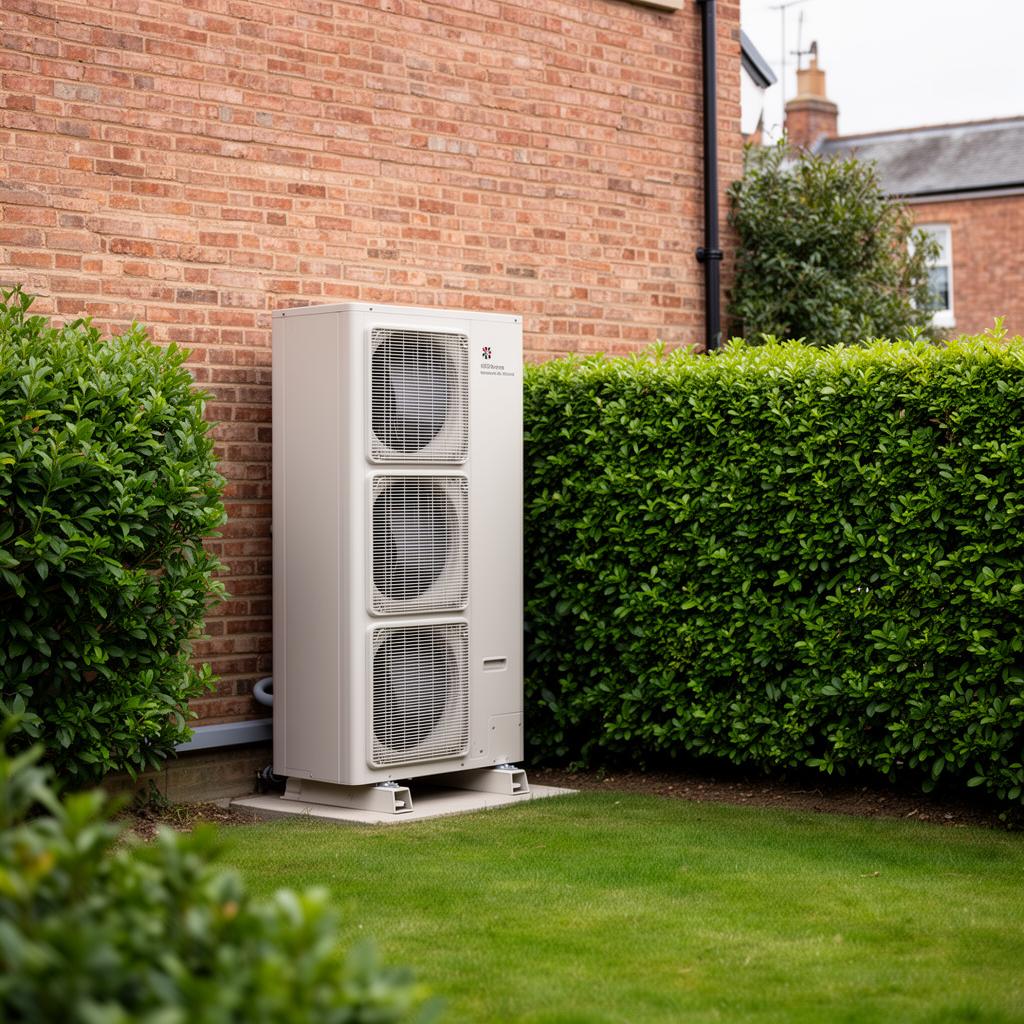
The short answer is yes, heat pumps can and do work in older Lancashire homes. Thousands of pre-1920s properties across the UK have been successfully retrofitted with air source heat pumps. But there are a few things to get right first, and understanding them upfront will save you money and frustration.
Do Heat Pumps Work in Older Homes?
Yes, heat pumps work effectively in older Lancashire homes provided the property has adequate insulation and correctly sized radiators. Most pre-1930s homes need loft insulation topped up to 270mm, cavity or solid wall insulation and draught-proofing before a heat pump installation to ensure the system runs efficiently. With these improvements, older homes can achieve running costs comparable to or lower than gas central heating.
The key difference with older properties is that heat pumps operate at lower flow temperatures (35 to 45°C) compared to gas boilers (60 to 75°C), so you may need larger radiators or underfloor heating in some rooms to maintain comfort. A qualified MCS installer will carry out a heat loss survey to determine the right system size and identify any insulation upgrades needed before installation.
Lancashire’s Older Housing Stock: What Are We Working With?
Lancashire has some of the richest concentrations of Victorian and Edwardian housing in England. The cotton mill towns of Burnley, Blackburn, Accrington, Darwen and Nelson are dominated by rows of solid-brick terraces built between 1850 and 1910. Preston, Lancaster and the Ribble Valley have their own mix of stone-built cottages, larger Edwardian semis, and converted mills.
These properties share a few common features that matter for heat pump installations:
Solid walls. Most pre-1920s Lancashire homes have solid brick or stone walls without a cavity. These walls are thicker than modern cavity walls but let more heat escape because there’s no air gap or insulation layer.
Higher ceilings. Victorian rooms are often 2.7m to 3m high, compared to 2.4m in modern homes. More air to heat means higher heat demand.
Sash windows. Single-glazed timber sash windows are still common in many terraces across East Lancashire. They look beautiful but they leak heat.
Chimneys and floorboard draughts. Open chimneys and suspended timber floors are significant sources of heat loss that often go unaddressed.
None of these are deal-breakers. But they do mean that fitting a heat pump into an older Lancashire home requires a bit more planning than dropping one outside a 2010-built detached house.
Insulation First: Getting Your Home Ready for a Heat Pump
A heat pump works by producing heat at lower temperatures than a gas boiler, typically 35 to 45 degrees Celsius compared to 60 to 80 degrees. This is more efficient, but it means your home needs to retain heat better. If warmth is pouring out through uninsulated walls, a draughty roof and single-glazed windows, the heat pump has to work harder and costs more to run.
For most older Lancashire homes, the priority insulation improvements are:
Loft insulation: The quickest and most cost-effective upgrade. If your loft has less than 270mm of insulation (about 10 inches), topping it up costs about £600, or about £750 if the loft is empty (Energy Saving Trust), and could be free through ECO4 (until 31 December 2026) if you’re eligible. This alone reduces heat loss through the roof by up to 25%.
Solid wall insulation: This is the big one for Lancashire’s terraces. Internal wall insulation (fitting insulated boards to the inside of external walls) costs £4,000 to £8,000 for a three-bed terrace. External wall insulation costs more but avoids reducing room sizes. Both can be funded through ECO4 for eligible households.
Draught-proofing: Sealing gaps around windows, doors, floorboards and chimneys is low-cost (under £200 for a whole house) and makes a surprisingly big difference to comfort and heat retention.
Window improvements: Secondary glazing (fitting a second pane inside existing windows) costs £100 to £200 per window and works well with original sash windows. It’s far more affordable than full replacement double glazing and keeps the character of the property.
You don’t necessarily need to do all of these before installing a heat pump. But the more you improve your home’s thermal envelope, the smaller (and less expensive) the heat pump can be, and the lower your running costs will be.
Request a free quote and up to three approved installers who cover your area may contact you. No charge, no obligation.
Radiator Sizing: Will Your Existing Radiators Work?
This is one of the most common concerns, and it’s a fair one. Because heat pumps operate at lower flow temperatures, the radiators need to be larger to deliver the same amount of warmth into each room.
In practice, many older Lancashire homes already have oversized radiators compared to modern standards. The chunky cast-iron radiators found in Victorian terraces across Preston, Blackburn and Burnley actually have a large surface area, which works in your favour.
A qualified installer will carry out room-by-room heat loss calculations during their survey. They’ll measure each room, assess the insulation, check the existing radiators, and tell you exactly which ones (if any) need upsizing. In many older homes, only two or three radiators need replacing rather than the whole system.
The cost of upgrading radiators typically adds £1,000 to £2,500 to the total installation price, depending on how many need changing. Some installers include this in their heat pump quote; others list it separately. Always ask for a clear breakdown.
Underfloor heating is sometimes suggested as an alternative, and it pairs brilliantly with heat pumps because it runs at low temperatures by design. But retrofitting underfloor heating into an existing Victorian terrace is disruptive and expensive, so it’s usually only practical if you’re already renovating.
Addressing Common Concerns About Heat Pumps in Older Homes
“My house is too old for a heat pump.”
It really isn’t. Heat pumps have been successfully installed in homes dating back to the 1700s across the UK. The age of the building isn’t the issue; what matters is the insulation level and the heat distribution system. With the right preparation, even a stone-built cottage in the Ribble Valley or a mill worker’s terrace in Colne can run efficiently on a heat pump.
“It won’t keep my home warm enough in winter.”
Modern air source heat pumps operate efficiently down to minus 15 degrees Celsius. Lancashire’s average winter low is around 1 to 3 degrees, well within the comfortable range. The key is correct sizing. An undersized heat pump in a poorly insulated home will struggle, which is why the survey and heat loss calculations are so important. A properly specified system will keep your home just as warm as your gas boiler does now.
“Heat pumps are too noisy for a terraced street.”
Modern ASHPs run at around 40 to 45 decibels, which is roughly the noise level of a fridge or a quiet conversation. Permitted development rules in England require the unit’s noise to stay at or below 37 dB, measured 1 metre from the window or door of a neighbour’s habitable room, and most manufacturers have invested heavily in noise reduction over the last five years. If you can hear your neighbour’s boiler flue fan, a heat pump won’t be any louder.
“The electricity costs will be higher than gas.”
Electricity is more expensive per unit than gas, that’s true. But heat pumps are three to four times more efficient than a gas boiler. For every 1 kWh of electricity they consume, they produce 3 to 4 kWh of heat. So while you’re paying a higher unit rate, you’re using far fewer units. For a well-insulated three-bed terrace in Lancashire, running costs are typically similar to or slightly lower than gas, with the gap widening further as gas prices rise.
Real Running Costs: Heat Pump vs Gas Boiler in Lancashire
Let’s look at realistic numbers for a three-bed Victorian terrace, which is one of the most common property types across Lancashire.
| Factor | Gas Boiler | Air Source Heat Pump |
|---|---|---|
| Annual heating demand | 12,000 kWh | 12,000 kWh |
| System efficiency | 90% (modern condensing) | 300% (COP of 3.0) |
| Energy consumed | 13,300 kWh gas | 4,000 kWh electricity |
| Unit cost (Ofgem cap, October to December 2026) | 7.97p/kWh | 26.32p/kWh |
| Annual heating cost | £1,060 | £1,053 |
| Standing charges | Gas + electric | Electric only (no gas) |
| Saving on standing charge | – | £100 – £120/year |
| Effective annual cost | £1,060 | £930 – £950 |
These figures assume the home has had some insulation improvements but isn’t fully retrofitted. With better insulation bringing the heating demand down to 9,000 to 10,000 kWh, the heat pump’s annual cost drops further to around £790 to £880. And you eliminate your gas standing charge entirely, saving another £100 to £120 per year.
Your actual figures will depend on your home’s specific heat loss, the heat pump’s seasonal efficiency (known as SCOP), and energy prices at the time. But the point is clear: running costs are comparable, and in many cases the heat pump comes out ahead.
The £7,500 Grant and What It Means for Older Lancashire Homes
The Boiler Upgrade Scheme (BUS) offers £7,500 towards an air source or ground source heat pump, or £9,000 if your home is heated by oil or LPG and has no mains gas connection (until 31 March 2027). This brings the typical out-of-pocket cost for an ASHP in a Lancashire terrace down to around £4,000 to £7,000, depending on radiator upgrades needed and the complexity of the installation.
You no longer need an EPC to qualify: that requirement was dropped on 28 April 2026. Your MCS certified installer applies for the voucher on your behalf, and the grant is deducted from your bill before you pay.
If your home also needs insulation upgrades, you may be able to access ECO4 funding separately before applying for the heat pump grant. This two-step approach – insulate first via ECO4, then install a heat pump with Boiler Upgrade Scheme funding – is particularly smart for Lancashire’s older housing stock.
Frequently Asked Questions
Do I need planning permission for a heat pump on an older Lancashire home?
Most ASHP installations come under permitted development rights, so you won’t need planning permission. The exceptions are listed buildings, properties in conservation areas, and some situations where the unit would be visible from the road. Parts of Lancaster, Clitheroe and several Lancashire villages have conservation area designations, so check with your local planning authority if you’re unsure. Your installer should flag this during the survey.
Can I keep my existing gas boiler as a backup?
Yes. A hybrid system that uses the heat pump for most of the year and the gas boiler for the coldest days is an option. However, you can’t get the £7,500 Boiler Upgrade Scheme grant with a hybrid setup because the scheme requires a full replacement. If you’re claiming the grant, the gas boiler needs to be decommissioned. Many homeowners in Lancashire find they don’t miss it once the heat pump is properly sized and installed.
How long does a heat pump installation take in a Victorian terrace?
Typically three to five days, depending on the complexity. If radiators need replacing, it may add a day or two. The outdoor unit installation is usually completed in a single day, with the remaining time spent on internal plumbing connections, hot water cylinder installation (if needed), electrical work and system commissioning.
What maintenance does a heat pump need?
Very little. An annual service check is recommended, similar to a gas boiler service but typically costing less at around £100 to £150. You should also keep the area around the outdoor unit clear of leaves, debris and vegetation. There’s no annual gas safety certificate needed, and heat pumps have a typical lifespan of 20 to 25 years – considerably longer than most gas boilers.
Related Product Guides
Heat Pumps — UK Costs, Grants & Installers (2026)
Home Insulation — UK Costs, Grants & Installers (2026)
Boilers — UK Costs, Grants & Installers (2026)
Double Glazing — UK Costs, Grants & Installers (2026)
Which grants can you actually get?
Six quick questions, answered entirely in your browser — nothing stored, nothing sent. Covers the Boiler Upgrade Scheme and every devolved alternative.

Related Articles

Grant vs Samsung heat pumps: the value head-to-head
The Aerona 290 and the EHS Gen 7 are the two value picks of the UK heat pump market, priced within £80 of each other. We compare specs, warranties and…
13 October 2026
Combi boiler vs heat pump hot water: what actually changes
Hot water is where combi owners hesitate over heat pumps. The running costs are nearly level; the real trade is on-demand convenience against a cylinder that runs two showers at…
11 October 2026
Bosch Compress heat pump review UK: 5800i vs 7400i
The Bosch Compress 5800i AW pairs R290 and 75C flow with a 41.5 dB(A) sound power figure, the lowest we've seen published. We compare it with the outgoing R410A 7400i…
8 October 2026