Insulation for Park Homes and Static Caravans in Lancashire
Park homes and static caravans in Lancashire are notoriously expensive to heat, because of thin walls, floors and roofs and a reliance on electric or LPG heating. Proper insulation can cut those bills substantially, although there is no independent estimate for park homes: the Energy Saving Trust’s savings figures cover houses, bungalows and flats. Lancashire has dozens of residential park home sites, from Knott End and Pilling on the Fylde to Rivington and Wyre, and residents on every one of them can benefit from improved insulation.
How Much Does Park Home Insulation Cost?
Park home insulation costs between £3,000 and £6,000 for a full external wrap system in 2026, covering the underfloor, walls and roof of a standard single-unit park home. External wall cladding with 50 to 100mm insulation typically costs £2,000 to £4,000, while underfloor insulation ranges from £1,000 to £2,000. Many Lancashire park home residents qualify for fully funded insulation through the ECO4 scheme.
Park homes and static caravans lose heat far more quickly than brick-built houses because their thin walls, single-glazed windows and uninsulated floors offer very little thermal resistance. External wall cladding is the most effective upgrade because it wraps the entire structure in a continuous insulation layer, eliminating draughts and reducing heating bills by 40 to 60 percent. ECO4 funding for park homes is available through participating energy suppliers and specialist installers accredited for non-standard construction types.
Why Park Homes Lose So Much Heat
Park homes and static caravans were originally designed as holiday accommodation, not year-round residences. Even modern park homes built to BS3632 residential standard have significantly less insulation than a conventional house. The thin walls, single-skin floor, and lightweight roof construction mean heat escapes rapidly in all directions.
A typical park home has a U-value (heat loss rate) roughly three to four times worse than a standard brick-built house. In Lancashire’s cold, windy climate, this translates to massive heating demand. Residents in coastal parks around Blackpool, Fleetwood, and Morecambe face additional heat loss from wind chill. Inland parks in the Ribble Valley or near Pendle have cold winters with regular frost and occasional snow.
The floor is usually the biggest single area of heat loss. Park homes sit on a steel chassis with an air gap beneath, and the thin plywood or chipboard floor provides minimal insulation. Cold air circulating under the home draws heat out of the floor constantly.
Floor Insulation Options and Costs
Insulating the underside of a park home is the single most effective upgrade. Several methods are available:
External underfloor insulation. Rigid insulation boards (PIR or XPS) are fitted to the underside of the home, beneath the existing floor structure. This is the most common method and does not require any internal disruption. An encapsulated skirting system around the base of the home seals the insulated space and prevents wind from washing cold air across the insulation.
Cost: £2,500 to £5,000 depending on the size of the home. A standard 40ft by 20ft single-wide park home is at the lower end. A larger twin-unit home costs more. The saving depends on the home: there is no independent figure for park homes, so ask the installer how they worked out any saving they quote.
Spray foam to the underside. Closed-cell spray foam applied beneath the home provides excellent insulation and also seals gaps against draughts. It is slightly more expensive than board insulation but provides better coverage around pipes and irregular surfaces. Cost: £3,000 to £6,000.
Internal floor insulation. Lifting the existing floor covering and adding insulation from above is possible but more disruptive. It involves removing furniture from each room, lifting the floor covering, adding insulation boards, and replacing the flooring. This is typically only done as part of a major refurbishment.
Wall Insulation for Park Homes
Park home walls are thin – typically 50mm to 75mm including the cladding, wall structure, and internal lining. Adding insulation to the walls can be done externally or internally.
External wall insulation (cladding over insulation). New insulation boards are fixed to the outside walls, then covered with weatherproof cladding. This is the most effective method because it wraps the entire home in a thermal envelope without reducing internal room sizes. Popular cladding materials include PVC, composite wood effect, and aluminium.
Cost: £4,000 to £8,000 for a single-wide home, £6,000 to £12,000 for a twin-unit. This includes insulation and new cladding. Many park home owners combine wall insulation with new cladding when the existing exterior needs refreshing anyway, making the additional insulation cost relatively modest.
Internal wall insulation. Thin insulated plasterboard (typically 25mm to 40mm) can be fixed to the inside walls. This is cheaper at £1,500 to £3,000 but reduces room sizes noticeably in already compact park home rooms. It also requires redecoration of every room.
Roof Insulation
The roof of a park home is another major heat loss area. Older homes may have little or no insulation in the roof space. Modern homes built to BS3632 have some insulation, but it is often insufficient for Lancashire’s climate.
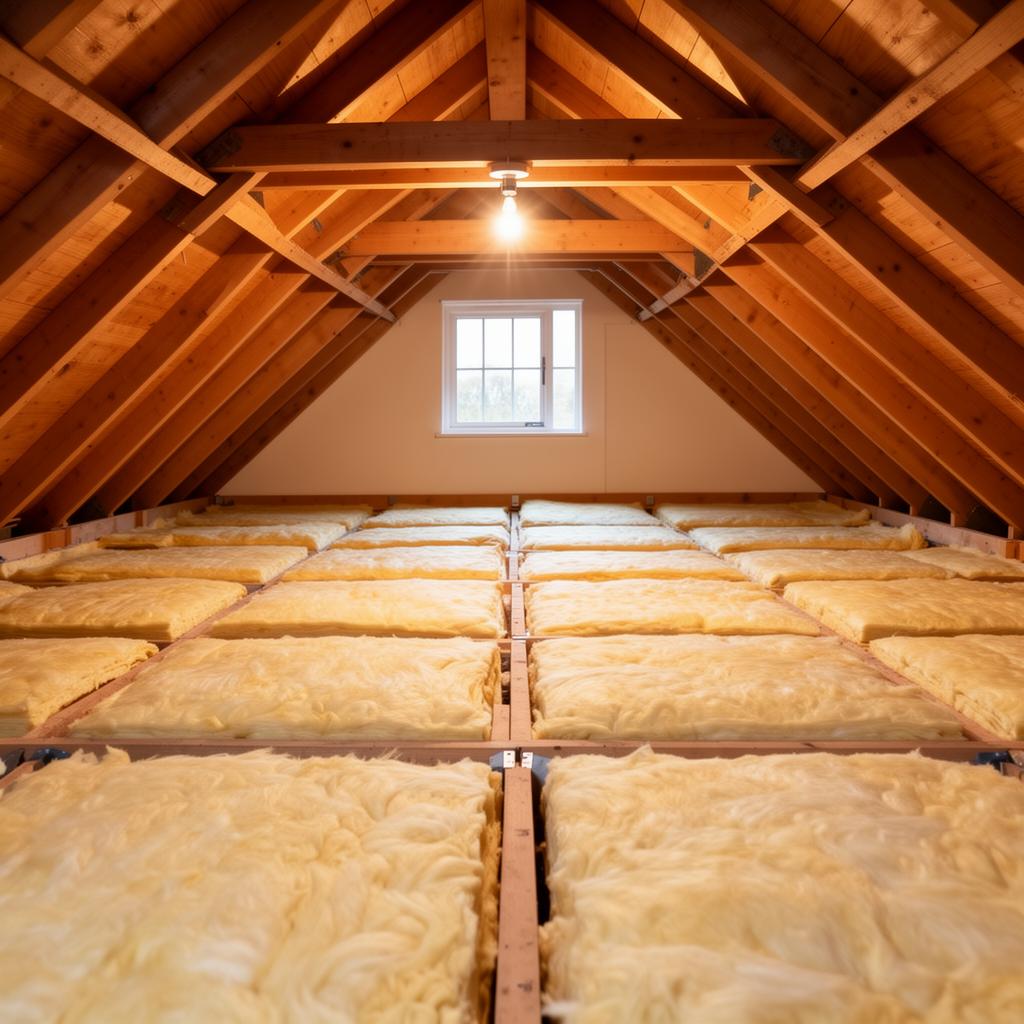
If accessible: Where there is a roof void that can be accessed (similar to a conventional loft), mineral wool rolls or rigid boards can be laid between the ceiling joists. Cost: £500 to £1,200. This is the cheapest and easiest roof insulation method.
If no accessible void: Insulation can be added above the existing roof by removing the outer covering, adding insulation boards, and re-covering. This is expensive at £3,000 to £6,000 and is usually combined with a full roof replacement when the existing covering reaches end of life.
An over-roof system: A new pitched roof structure built over the existing flat or low-pitch roof. This creates a warm roof with insulation in the new structure and also improves rainwater drainage. Cost: £5,000 to £10,000. Popular on older park homes where the existing roof is worn.
Windows and Doors
Many older park homes in Lancashire still have single-glazed windows that leak heat and allow draughts. Upgrading to double-glazed units specifically designed for park homes makes a significant difference to both comfort and energy bills.
Park home windows are not the same as conventional house windows – they fit into thinner wall sections and have different frame profiles. Specialist park home window companies operate across Lancashire and supply made-to-measure units. Expect to pay £200 to £400 per window and £500 to £800 for a replacement external door.
A full window and door replacement for a typical park home costs £2,500 to £5,000; it cuts heat loss and draughts, but usually saves less than insulating the floor and walls.
Grants for Park Home Insulation in Lancashire
Park home residents can access several grant schemes:
ECO4. Park homes are eligible for ECO4 funding, until the scheme ends on 31 December 2026, if the resident meets the benefits criteria and the home has a low energy efficiency rating. ECO4 can fund floor insulation, wall insulation, roof insulation and window upgrades. The total value of ECO4 work on a park home can reach £10,000 to £15,000.
Park Home Insulation Scheme. Some energy companies run specific schemes targeting park homes because they offer large carbon savings per property. Ask your energy supplier about park home-specific ECO4 programmes.
Local authority grants. Lancashire councils, including Lancaster, Wyre, and Fylde, have periodically offered grants for park home improvements. Contact your local council’s housing team to check current availability.
Warm Home Discount. While not specifically for insulation, the £150 Warm Home Discount off electricity bills is available to park home residents on qualifying benefits or low incomes, through its separate park homes scheme. This helps offset the high energy costs while insulation improvements are planned.
Heating Alternatives for Insulated Park Homes
Once a park home is properly insulated, the heating system can often be downsized. Many Lancashire park homes use LPG gas heaters, electric panel heaters, or storage heaters. After insulation, the heating demand drops enough that more efficient options become viable:
An air-to-air heat pump (essentially a reverse air conditioning unit) costs £1,500 to £3,000 per room and provides both heating and cooling. For a well-insulated park home, two or three units can heat the entire space at a fraction of the cost of electric heaters.
Infrared heating panels are another option, costing £200 to £400 per panel. They heat objects and people directly rather than warming the air, which makes them efficient in well-insulated spaces. Three or four panels can heat a single-wide park home for around £4 to £6 per day.
Do I need the site owner’s permission to insulate my park home?
For internal work, you generally do not need permission. For external changes like new cladding, an over-roof, or modifications to the base/skirting, most site agreements require the site owner’s consent. Check your site agreement and discuss planned work with the site manager before starting. Most site owners support improvements that enhance the appearance and value of homes on their park.
Is a park home eligible for an EPC?
Park homes do not currently require an EPC because they are classified differently from conventional housing. However, an EPC or energy assessment may be needed to qualify for certain grants. Some ECO4 installers use a park home-specific assessment method. Ask your installer or grant provider what documentation they need.
How much can insulation reduce my park home energy bills?
A full package (floor, walls, roof and windows) can cut heating costs substantially, but there is no independent figure for park homes, and the saving depends on how the home is built and heated. Floor insulation often gives the biggest single improvement, because park homes lose a lot of heat through the floor. Ask any installer how they worked out the saving they quote.
Which grants can you actually get?
Six quick questions, answered entirely in your browser — nothing stored, nothing sent. Insulation is the measure grants cover most often.

Related Articles

Best insulation brands in the UK for 2026
Kingspan, Celotex, Rockwool, Knauf and Superglass compared on published lambda, merchant price per square metre and fire classification, with prices checked in July 2026.
19 September 2026
Sheep’s wool vs mineral wool insulation: is the premium worth it
Sheep's wool costs roughly five times more than glass mineral wool for a 14% better lambda and a worse fire class. Where that trade makes sense, and where it plainly…
18 September 2026
PIR vs mineral wool insulation: which to use where
PIR needs half the thickness of mineral wool and costs several times more per square metre. A straight comparison on U-value, cost at equal resistance, fire class, moisture and sound.
17 September 2026