Portable Heater Running Costs Compared: Fan vs Oil-Filled vs Halogen vs Convector vs Infrared
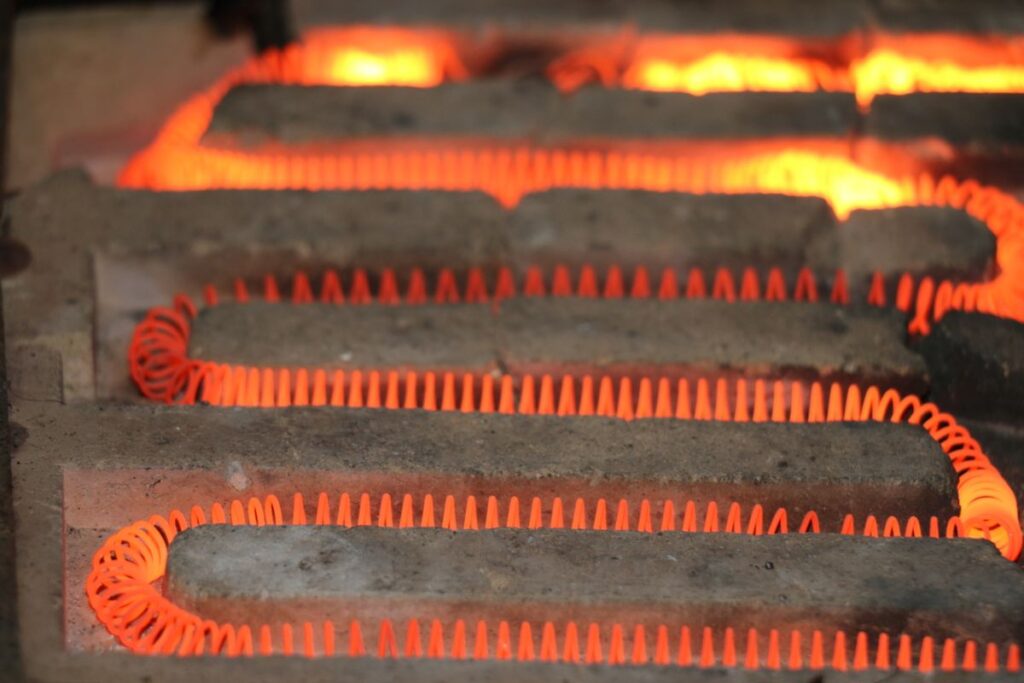
Quick answer: Every plug-in heater turns a kilowatt-hour of electricity into the same amount of heat, costing 26.32p at the current cap. So a 2kW fan or convector costs about 53p an hour, a 1.2kW halogen 32p, a 1.5kW oil-filled 39p flat out (roughly 24p once cycling), and a 900W infrared panel about 24p.
All costs on this page are calculated at the October–December 2026 Ofgem price cap for Direct Debit customers: 26.32p per kWh of electricity, with gas comparisons at 7.97p per kWh. Unit rates vary slightly across the 14 GB regions, so treat these as good averages and check the rate on your own bill.
The one rule that cuts through the marketing
Fan, convector, oil-filled, halogen, ceramic, “eco”, infrared — they are all resistance heaters, and resistance heating is effectively 100% efficient at the point of use. One kilowatt-hour in, one kilowatt-hour of heat out, 26.32p either way. The sum for any of them: kilowatts × hours × 26.32p. A 2kW heater for an hour is 2 × 26.32p = 52.6p; a 900W panel is 0.9 × 26.32p = 23.7p. No portable heater can beat that physics, whatever the advert implies.
What genuinely differs is the power rating (which caps the hourly cost) and how each type delivers its heat — and that second point decides which one keeps you comfortable for the fewest kilowatt-hours.
Portable heater running costs compared
| Heater type | Typical power | Cost per hour (full power) | Best for |
|---|---|---|---|
| Fan heater | 2 kW | 52.6p | Fast heat in short bursts |
| Convector | 2 kW | 52.6p | Quiet background warmth for a whole room |
| Oil-filled radiator | 1.5 kW | 39.5p (≈24p once cycling) | Long sessions in one room |
| Halogen / radiant bar | 1.2 kW | 31.6p | Instant directional warmth on a budget |
| Infrared panel | 0.9 kW | 23.7p | Heating people and surfaces, not air |
Powers shown are typical mid-range models; check the label on yours and scale the sum accordingly.
Radiant vs convection: why delivery matters
Convection heaters (fan, convector, oil-filled) warm the air, which then warms you. That suits sealed rooms you occupy for a while, but in a draughty space much of the paid-for warm air escapes. Radiant heaters (halogen, infrared) beam heat directly at people and objects, so you feel warm quickly even if the air stays cool — ideal for high-ceilinged rooms, garages, conservatories or a single person at a desk. Because you can feel comfortable at a lower air temperature, a smaller radiant heater can often replace a bigger convection one. Fixed wall or ceiling infrared panels take the same idea further for permanent spot heating.
So which is actually cheapest to run?
The one with the lowest wattage that keeps you comfortable. A 1.2kW halogen pointed at the sofa for a four-hour evening costs about £1.26; a 2kW fan heater doing the same evening costs £2.11. Over a 30-evening month that’s roughly £38 against £63. If you only need heat for yourself rather than the whole room, radiant options usually win; if you need the whole room warm for hours, a thermostat-controlled oil-filled radiator typically works out cheapest in practice because it spends much of the time switched off.
Watch out for “eco heater” claims
Any claim that a plug-in heater is dramatically cheaper to run than others of the same wattage should ring alarm bells — the physics doesn’t allow it. Genuine savings come from lower wattage, better targeting, thermostats and timers. And keep the wider comparison in mind: gas heat costs roughly 8.5–9p per kWh delivered, and a heat pump reaches a similar effective figure by moving heat rather than generating it, so electric portables are best kept for single rooms and short-term top-ups. See our fan heater cost breakdown and price cap guide for the full context.
What a real week costs: three worked examples
- Home office, 8 hours a day: a 1.2kW halogen aimed at your chair, running half the time on its thermostat, uses ~4.8kWh a day — about £1.26, or £6.32 for a five-day week. A 2kW fan heater doing the same job flat out would cost £4.21 a day.
- Living room evenings: a 1.5kW oil-filled radiator cycling at 60% for four hours costs about 95p a night, £6.63 a week — against £2.11 a night (£14.74/week) for a 2kW fan heater running continuously.
- Overnight bedroom chill: skip the heater entirely — an electric blanket does the job for roughly 8p a night. Portable heaters are for waking hours.
The pattern across all three: the biggest savings come from matching the wattage to the task and letting a thermostat or timer do the switching, not from any special technology inside the box. Before buying, measure the room, be honest about how many hours it will really run, and multiply it out — the sums above take under a minute and routinely change people’s minds about which heater to pick.
FAQs
What is the cheapest portable heater to run in the UK?
Per hour, whichever has the lowest power rating — a 900W infrared panel or a small halogen at 24–32p beats any 2kW model at 53p. Per evening of equal comfort, a radiant heater pointed at you, or a thermostat-cycling oil-filled radiator, usually delivers the lowest bill.
Which portable heater warms a room fastest?
A fan heater — it pushes warm air around the room within minutes, which is exactly why it suits short bursts. Halogen and infrared feel warm almost instantly but heat you rather than the room; oil-filled radiators take 15–20 minutes to get going.
Are plug-in “low energy” heaters worth buying?
Only if their lower wattage genuinely suits your space. A 500W “eco” heater costs 13p an hour because it produces a quarter of the heat of a 2kW model, not because it is more efficient. If 500W can’t keep the room comfortable, it will simply run all the time and disappoint.
What would an upgrade save you?
Pick an upgrade and your region — instant modelled cost, annual saving and payback, from the same dataset behind our local guides.

Related Articles

Best electric heating for a flat with no gas, ranked by running cost
No gas supply doesn't mean expensive heating is inevitable. Air-to-air heat pumps, storage heaters, infrared and panel heaters ranked by what they actually cost to run.
14 October 2026
Storage heater settings for winter: input, output and Economy 7 timing
Input fills the bricks with cheap overnight heat, output spends it. Set them the right way round and Economy 7 works as promised. The winter baseline settings, scenario by scenario,…
14 October 2026
Best combi boiler for a small flat: compact, low-output picks
Small flats need small, quiet combis that fit a kitchen cupboard and don't short-cycle on four radiators. Our picks with prices, dimensions and warranty terms.
12 October 2026