The Warm Homes Plan and Solar: Grants and Cheaper Loans Explained for 2026
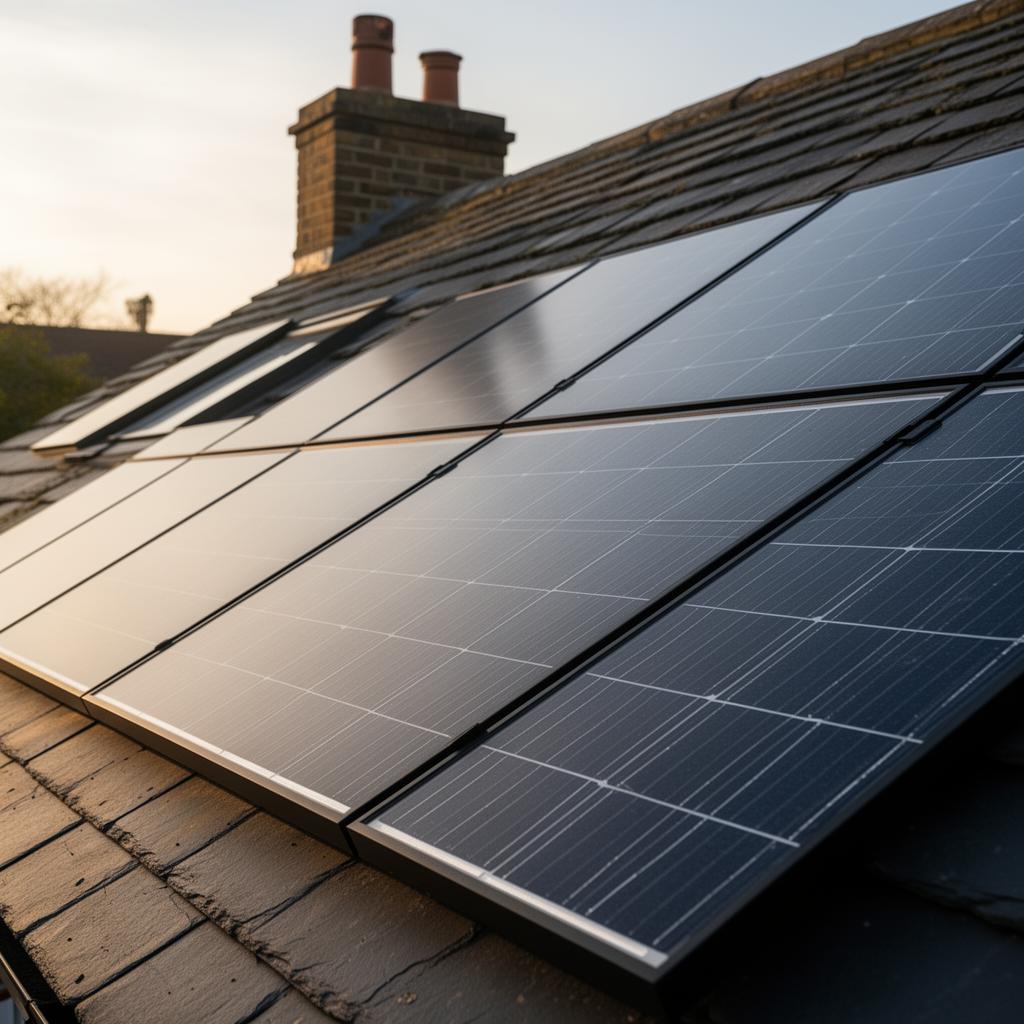
The Warm Homes Plan is the UK government’s flagship programme to upgrade the nation’s housing stock, reduce energy bills, and cut carbon emissions from homes. With £15 billion of public investment over this Parliament, the government calls it the biggest public investment in home upgrades in British history. For homeowners interested in solar panels, the plan offers two routes to financial support: the Warm Homes: Local Grant, run by councils in England for lower-income households, and the new Warm Homes Loan Scheme, which cuts the interest rate on loans from participating lenders. Here is everything you need to know about Warm Homes Plan solar funding in 2026.
What Solar Grants and Loans Are Available Under the Warm Homes Plan?
The Warm Homes Plan offers two main routes to cheaper solar panels in 2026. The Warm Homes: Local Grant can fully fund solar PV, and a battery alongside it, for homes in England rated EPC D to G where household income is £36,000 or less, someone gets a means-tested benefit, or the home is in an eligible postcode. Everyone else can look at the Warm Homes Loan Scheme: the government pays participating lenders a grant of up to 20% of the loan so they can cut its interest rate by up to 5 percentage points, with loans of up to £15,000 for solar PV and up to £15,000 for a battery (Scheme Rules, September 2026). The Boiler Upgrade Scheme doesn’t cover solar.
Solar panels funded through the Local Grant or financed through the loan scheme must be fitted by an MCS-certified installer, and under the Local Grant they’re part of a package agreed after a retrofit assessment. If you pay for solar yourself, 0% VAT on solar panels and batteries runs until 31 March 2027: on our modelled typical £6,320 system that’s about £316 less than at the 5% rate due back in April 2027.
What Is the Warm Homes Plan?
Published in January 2026, the Warm Homes Plan aims to upgrade up to 5 million homes by 2030. It follows earlier schemes such as the Green Homes Grant, and it replaces the supplier-funded Energy Company Obligation, which ends on 31 December 2026 with no successor supplier obligation announced, with grant funding paid for by taxpayers rather than energy bills (GOV.UK).
The parts most relevant to homeowners are:
- Warm Homes: Local Grant: fully funded upgrades for lower-income households in England, delivered through councils until March 2028
- Warm Homes Loan Scheme: lower-rate loans from participating lenders for solar panels, batteries and heat pumps, for owner-occupied and privately rented homes anywhere in the UK, with a first consumer phase from September 2026
- Boiler Upgrade Scheme: £7,500 towards a heat pump in England and Wales, with funding confirmed to 2029/30
Between them they cover a wide range of measures, including solar panels, heat pumps, insulation, double glazing, and battery storage, though the loan scheme doesn’t fund insulation or glazing. The goal is to make homes warmer, cheaper to run, and lower carbon.
Warm Homes: Local Grant of up to £16,600 plus £16,600
The Warm Homes: Local Grant (WHLG) replaced the previous Home Upgrade Grant and Local Authority Delivery (LAD) schemes. It provides fully funded energy efficiency improvements to homeowners and private tenants on lower incomes in England, though landlords pay 50% after their first property.
Eligibility criteria
To qualify for the Warm Homes: Local Grant, you must meet all of these conditions:
- Your household income is £36,000 a year or less before tax, someone in the household gets a means-tested benefit, or you live in an eligible postcode (any one of the three)
- Your property has an EPC rating of D, E, F, or G
- You own your home or rent it privately (with your landlord’s consent); council and housing association homes don’t qualify
- Your council is taking part and still has funding available
If eligible, grants are capped at £16,600 for energy efficiency measures, which include solar panels and batteries, plus £16,600 for low-carbon heating such as a heat pump (DESNZ guidance, updated June 2026). This is not a loan; it is a grant that does not need to be repaid. The exact amount depends on your property’s needs and which measures deliver the best energy savings.
What measures are covered?
The Local Grant follows the PAS 2035 whole-house approach: a retrofit assessment decides the package, and insulation usually comes before or alongside new heating and solar. Measures it can fund include:
- Loft insulation and cavity wall insulation
- External or internal wall insulation for solid-wall properties
- Solar PV panels
- Air source heat pumps to replace gas or oil boilers (gas and oil boilers themselves aren’t funded)
- Underfloor insulation
- New energy-efficient windows and doors
- Battery storage, where the home has or is getting solar PV (battery installs resumed on 2 February 2026 after a pause)
A whole-house assessment determines which combination of measures will deliver the greatest improvement to your EPC rating and energy bill reduction.
Warm Homes Loan Scheme: cheaper loans, not free ones
The loan side of the Warm Homes Plan is the Warm Homes Loan Scheme. It isn’t a government loan: banks, building societies and other lenders offer their own products, and the government pays them a grant of up to 20% of each loan so they can cut the interest rate. Lenders applied to join in June and July 2026, and the Scheme Rules set the first consumer phase from September 2026, so ask your bank or installer whether they’re taking part (GOV.UK).
What the Scheme Rules (updated September 2026) confirm:
- The grant is designed to take up to 5 percentage points off the lender’s normal interest rate, less on long loans where the 20% cap bites, and never below 0%
- Terms of three years or more, set by each lender
- Solar panels and batteries (up to £15,000 each), heat pumps (up to £20,000 for air source, before any Boiler Upgrade Scheme grant) and a few other low-carbon measures; not insulation, windows or roofing repairs
- Owner-occupied and privately rented homes anywhere in the UK
- Lenders run their own credit and affordability checks, and installers must be MCS certified
Rates will vary by lender, so compare the APR, fees and term, not just the headline rate. On our modelled typical £6,320 solar system, even a 0% loan over 10 years would cost about £53 a month, and whether your bill savings cover that depends on your usage and export tariff.
How to Combine Solar Funding With the Boiler Upgrade Scheme
The Boiler Upgrade Scheme (BUS) provides £7,500 towards an air source or ground source heat pump in England and Wales (£9,000 until 31 March 2027 for homes heated by oil or LPG with no mains gas). It doesn’t cover solar panels, but it can be combined with other funding for different measures, and the Warm Homes Loan Scheme is designed to cover what’s left of a heat pump bill after the BUS grant.
For example, a homeowner could:
- Claim £7,500 from the BUS towards an air source heat pump
- Use a Warm Homes Loan Scheme loan from a participating lender for solar panels and a battery
- Have insulation installed through the Warm Homes: Local Grant, if your household qualifies (the Local Grant and BUS can’t both pay for the same heat pump)
At our modelled typical prices, a heat pump (£10,684) and solar panels (£6,320) come to £17,004. The £7,500 BUS grant brings that to £9,504, which a Warm Homes loan could spread over several years. A household that qualifies for the Local Grant could have both funded within its caps and pay nothing.
Current Application Status and Timeline
Here is the current status of each element of the Warm Homes Plan as of September 2026:
| Programme | Status | How to Apply |
|---|---|---|
| Warm Homes: Local Grant (England) | Live to March 2028; some councils have committed this year’s funding | Contact your local council or apply on GOV.UK |
| Boiler Upgrade Scheme (England and Wales) | Live, funding confirmed to 2029/30 | Through an MCS-certified installer |
| Warm Homes Loan Scheme (UK) | First consumer phase from September 2026 | Through participating lenders |
| ECO4 (energy company funded) | Ends 31 December 2026; no successor supplier obligation announced | Through an energy supplier or your council (ECO4 Flex) |
The Warm Homes: Local Grant is run by councils. Once you apply, you should usually hear from your council within 10 working days about arranging a home survey (GOV.UK), but funding is allocated year by year and some areas have already committed theirs: in Lancashire, for example, Cosy Homes in Lancashire has stopped taking applications and will send out forms again in March 2027.
What Funding Is Available Right Now for Solar Panels?
Routes to funded or part-funded solar installations available today:
- Warm Homes: Local Grant: fully funded solar for homes in England rated EPC D to G where household income is £36,000 or less, someone gets a means-tested benefit, or the home is in an eligible postcode
- ECO4: energy suppliers can fund solar PV for some households on qualifying benefits, but only until the scheme ends on 31 December 2026
- Council-backed group buying: schemes such as Switch Together (formerly Solar Together) negotiate a group price
- 0% VAT on solar panels: residential solar is zero-rated until 31 March 2027, worth about £316 on our modelled typical £6,320 system against the 5% rate due back in April 2027
- Warm Homes Loan Scheme: lower-rate loans through participating lenders
0% VAT makes this a good time to install solar panels, but the zero rate ends on 31 March 2027, and from 1 April 2027 the rate is due to be 5%, not the full 20% (HMRC).
To price solar for your property, request a free quote: up to three approved installers who cover your area may contact you. No charge, no obligation.
Frequently Asked Questions
Can I get a Warm Homes: Local Grant if I already have some insulation?
Yes. The grant is based on your current EPC rating and overall property assessment, not on whether individual measures are already present. If your home is rated D to G and your household meets one of the three routes (income of £36,000 or less, a means-tested benefit, or an eligible postcode), you may still qualify even if you have some insulation. The assessment will identify which additional measures would improve your rating and reduce your bills further.
Will the Warm Homes Loan Scheme cover battery storage as well as solar panels?
Yes. The Scheme Rules list electrical battery storage as an eligible measure, both on its own and paired with solar panels, with loans of up to £15,000 for a battery. An EV chargepoint can only be included as part of a solar or battery installation.
Can landlords apply for Warm Homes Plan funding?
Yes. The Warm Homes: Local Grant can fund work in a privately rented home if the tenant’s household qualifies and the landlord consents: each landlord’s first property can be fully funded, and after that the landlord pays 50% (our landlord guide). The Warm Homes Loan Scheme covers privately rented homes too, but lending to businesses or company structures isn’t allowed.
Is the Warm Homes Plan available in Scotland, Wales, and Northern Ireland?
Partly. Housing and energy efficiency policy is devolved, so the Warm Homes: Local Grant is England-only and the Boiler Upgrade Scheme covers England and Wales. Scotland has Warmer Homes Scotland and the Home Energy Scotland grant and loan, Wales runs the Warm Homes Nest scheme, and Northern Ireland has the Affordable Warmth Scheme. The Warm Homes Loan Scheme is the exception: it’s open to homes anywhere in the UK.
Should I wait for a Warm Homes loan or install solar now?
There’s little reason to wait: the loan scheme’s first consumer phase is due from September 2026, and 0% VAT on solar runs only until 31 March 2027. Compare a Warm Homes loan from a participating lender with any finance your installer offers, and check export rates on our Smart Export Guarantee table (SEG applies in Great Britain only). A council-backed group buy such as Switch Together is another way to cut the price.
Which grants can you actually get?
Six quick questions, answered entirely in your browser — nothing stored, nothing sent. Covers the Boiler Upgrade Scheme, Warm Homes: Local Grant and the devolved schemes.

Related Articles

Energy Grant Scams: How to Spot Them and Check Who’s Really Certified
Grant scammers borrow real scheme names — and real deadlines — to pressure you into upfront fees. Here are the red flags in order of reliability, how each genuine scheme…
25 August 2026
ECO4 in Northern Ireland: why you can’t get it, and what to use instead
ECO4 is a Great Britain scheme that ends on 31 December 2026, and it never covered Northern Ireland. Here is exactly where NI households can go instead, with a signposting…
19 August 2026
Boiler Upgrade Scheme for Landlords and Second Homes: What Qualifies
GOV.UK explicitly allows second homes, rentals and business-owned property to claim the Boiler Upgrade Scheme, one grant per property. With the £9,000 window for oil and LPG homes with no…
17 August 2026