Why is my solar generation low? A troubleshooting checklist
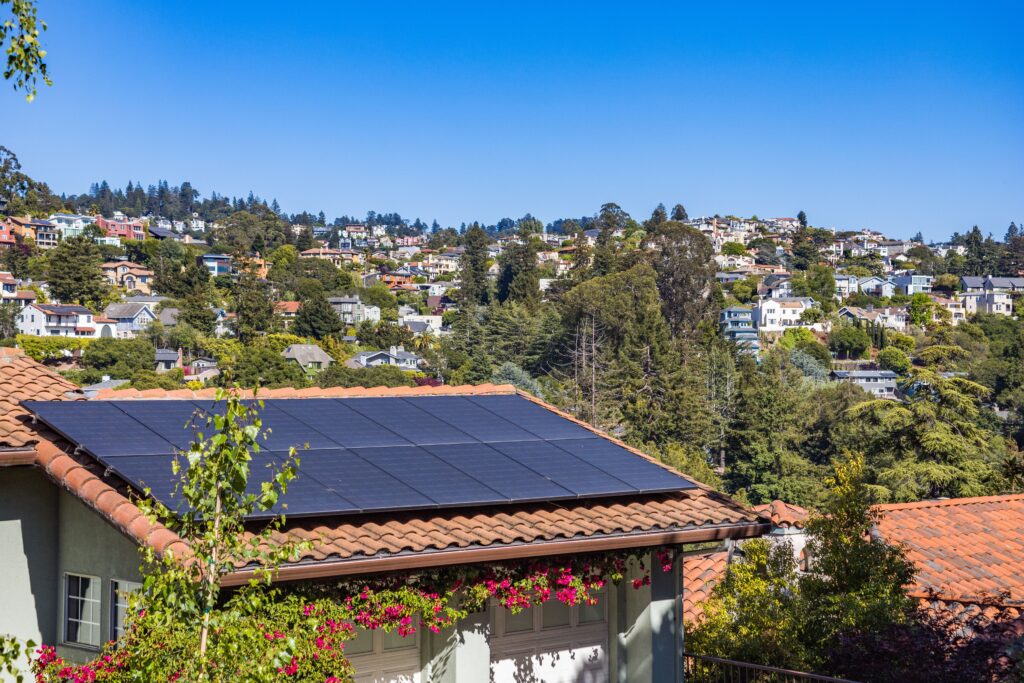
Quick answer: Check the season first. A UK solar system produces around 38% of its annual output across the summer and roughly 11% in winter, so a weak December is normal. If output is genuinely low for the time of year, work through shading, dirt, inverter faults and string failures, in that order.
What should your panels be producing right now?
Start with the baseline. A south-facing, unshaded array in the UK generates around 900kWh per year for every kilowatt-peak (kWp) installed, according to Sunsave (checked August 2026). A typical 4.6kWp system therefore lands near 4,100kWh a year. But that generation is nothing like evenly spread.
| Period | Typical monthly output (4.6kWp system) | Share of annual output |
|---|---|---|
| Summer month | around 524kWh | summer months: roughly 38% of annual output |
| Average month | around 345kWh | |
| Winter month | around 151kWh | winter months: roughly 11% of annual output |
Figures from Sunsave. Per kilowatt of panels, that works out at roughly 115kWh in a summer month and about 33kWh in a winter one. December producing less than a third of what June manages is not a fault. It’s the latitude. Our guide to solar output in winter covers what UK systems realistically manage from November to February.
Is it the season, or is something wrong?
Compare this month against the same month last year, never against last month. That one habit filters out almost every false alarm. A system 5% down on last July is weather plus normal ageing; panels lose around 0.5% of output a year (Sunsave), and our degradation guide shows the long curve. A system 30% down on last July has a problem worth finding.
And rule out the weather itself. A dull, wet fortnight drags a month’s total down with nothing wrong on the roof. The Met Office publishes monthly sunshine summaries if you want to check whether the month really was that grim.
Could shading be the problem?
Shading changes with the calendar. The winter sun sits far lower, so a chimney, dormer or neighbour’s tree that casts nothing in June can shadow half an array in December. If your system underperforms only in the darker months, and mostly in the morning or late afternoon, low-sun shading is the likely culprit.
It costs more than it looks like it should. On a string inverter, shade on one panel drags down every panel on that string (Sunsave), so a shadow across one corner can wipe out several panels’ worth of output. New shading appears too: extensions next door, scaffolding, tree growth, even a new flue. Walk outside on a sunny day and look up. If shade is the diagnosis, panel optimisers can claw back some of the loss.
What does inverter trouble look like?
Three distinct patterns are worth knowing.
- Clipping: the generation curve flat-tops at the same ceiling every bright day. The inverter is rated below the array’s peak and is capping output. That’s usually a deliberate design choice and the annual loss is small, but if the flat top is new, ask why.
- A fault: an error code on the display, a warning light, or zero output at midday on a clear day. Note the code, restart using the procedure in the manual, and see if it returns.
- A dead string: on systems wired as two strings, one reads normally while the other sits at zero. Often a blown string fuse or a loose DC connector. This one is always an installer job. Never open DC isolators yourself.
If a system stops generating entirely, the inverter is the prime suspect, because inverters give up long before panels do. Panel warranties run 25 years and more; most string inverter warranties run 5 to 12. Our inverter replacement cost guide covers what a swap costs when the day comes.
When did you last actually look at the panels?
Dirt is a measurable loss: soiling can cost over 5% of output in UK conditions (Sunsave). Rain keeps most pitched arrays tolerably clean, but panels near trees, below gull colonies or laid at a shallow pitch collect grime that rain won’t shift. Bird mess is the worst offender because it blocks cells completely rather than dimming them. If you can see streaks or deposits from the ground, our panel cleaning guide covers safe options and prices.
Heat trims output too. Panels lose about 0.32% of output for every degree above 25C (Sunsave), so a 30C heatwave afternoon can generate less than a bright, breezy day in May. If your ‘low’ days are all heatwave days, that’s physics, not failure.
Which monitoring red flags matter?
Open the app and look for these specific patterns.
- One string flat at zero while the other generates normally.
- A single grey or missing panel on the layout map (microinverter and optimiser systems only).
- The same flat-topped ceiling on every sunny day, which points to clipping.
- Generation looks normal but export reads zero: a metering or diverter issue, not the panels.
‘No data since’ a date usually means a wifi dropout, not a solar fault. Check the router before you worry about the roof. Which app you’re looking at depends on your inverter brand; our monitoring app comparison found Enphase’s app the strongest for spotting per-panel faults. One 2026 caveat: GivEnergy filed for administration in April 2026, and while installed systems keep operating, its cloud services and app support may be disrupted (ESS News).
When should you call the installer?
Call when output is zero on a sunny day after a restart, when an error code keeps returning, when one string is dead, when there’s visible damage (cracked glass, chewed cables, a slipped panel), or when export has stopped while generation carries on. Don’t sit on it: RECC, one of the consumer codes MCS solar installers must belong to, requires a minimum two-year workmanship warranty, and good installers offer five to ten (Smart Solar Homes). A fault inside that window should cost you nothing to investigate.
We haven’t tested monitoring platforms or inverters ourselves; this checklist is built from published performance data, checked August 2026.
FAQs
Should panels produce anything on a heavily overcast day?
Yes, just far less. Expect a fraction of a clear day’s figure, and in midwinter a gloomy day may barely register. The number that matters is zero: no generation at all in daylight points to a fault, not the weather.
My neighbour’s system produces more than mine. Should I worry?
Only if the systems match, and they almost never do. Orientation, pitch, panel wattage, inverter sizing and shading differ house to house. Track your own system year on year instead.
How often should I check the app?
Once a month is plenty, plus a glance after storms. Daily checking mostly teaches you about clouds. If the app offers fault alerts, switch them on and let it do the watching.
Getting paid enough for your exported power?
Export rates vary twenty-fold between suppliers. We rank every SEG and export tariff monthly, with the conditions attached to each.

Related Articles
Tesla Powerwall 3 vs GivEnergy All in One: what changed in 2026
Both store 13.5kWh of LFP. One discharges at 11.04kW, the other at 3.6kW, and only one is backed by a company still trading after GivEnergy entered administration in April 2026.
30 September 2026
Trina solar panels review UK: Vertex S+ specs, warranty and verdict
Trina's Vertex S+ 445W publishes 22.3% efficiency, 25-year product cover and a dual-glass build. We read the datasheet and say when it's worth specifying and when it isn't.
30 September 2026
JA Solar panels review UK: DeepBlue 4.0 Pro specs, warranty and price
JA Solar's DeepBlue 4.0 Pro publishes 22.8% efficiency, 25-year product cover and a 30-year performance warranty to 87.4%. We read the datasheet and the UK price list.
29 September 2026