The £9,000 Boiler Upgrade Scheme for Oil and LPG Homes: Complete Guide
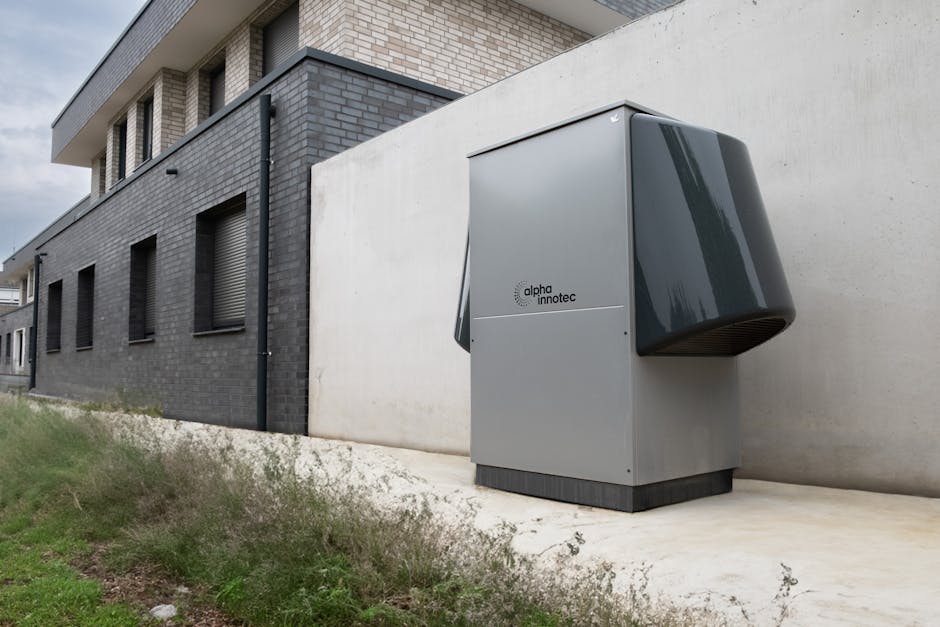
Quick answer: the standard Boiler Upgrade Scheme (BUS) grant stays at £7,500. If your home is currently heated by oil or LPG and has no mains gas connection, applications made between 21 July 2026 and 31 March 2027 qualify for an increased £9,000 grant towards an air-to-water or ground source heat pump (GOV.UK notice of approved grant values, effective 21 July 2026). Your MCS-certified installer applies for you, and it is the application date — not the installation date — that sets the amount.
What exactly is changing on 21 July 2026
From 21 July 2026 the scheme, which is administered by Ofgem in England and Wales, runs three grant levels:
- £7,500 — standard grant for air-to-water air source and ground source heat pumps (unchanged)
- £9,000 — temporary uplift for homes whose current heating runs on oil or LPG and that have no mains gas connection, for applications from 21 July 2026 to 31 March 2027, air-to-water and ground source systems only
- £2,500 — air-to-air heat pumps (introduced April 2026; the oil/LPG uplift does not apply to air-to-air)
Biomass boilers keep their separate £5,000 grant, restricted to off-gas-grid rural properties with an emissions certificate — there is no biomass uplift either. If you heat with mains gas or electric, nothing changes for you: the standard £7,500 still applies. We covered the announcement itself in our news piece on the £9,000 rate; this guide is the full working detail.
Exact eligibility for the £9,000 rate
- You own the property — GOV.UK confirms this includes second homes and properties you rent out
- The property is in England or Wales (Scotland has its own Home Energy Scotland grant and loan)
- Your current heating system runs on oil or LPG and the property has no mains gas connection (Ofgem counts a capped or clamped gas meter as mains gas) — this is what gets you £9,000 rather than £7,500
- You are installing an air-to-water air source heat pump or a ground source heat pump through an MCS-certified installer
- A valid EPC helps but is no longer strictly required: without one, your installer can send other evidence such as a recent utility bill or fuel receipt, or photos of the existing heating (Ofgem property owner guidance, para 4.24). If your EPC lists outstanding loft or cavity wall insulation recommendations, talk them through with your installer first
- The property has not already received public funding for a heat pump, and it is not social housing or a new build. Self-builds can get the standard £7,500 but not the £9,000 uplift (Ofgem guidance, paras 3.13 and 4.28; see our self-build grants guide)
How application timing works — and why it matters
You never apply to Ofgem yourself: your installer submits the application and the grant value is fixed by the date the application is properly made, which Ofgem counts from when you’ve confirmed consent and identity. Once the voucher is issued, the installer has 3 months to fit, commission and redeem it (6 months for ground source), according to Ofgem. GOV.UK’s eligibility page still mentions 120 days; Ofgem, which runs the scheme, uses 120 days only for applications made after the system is commissioned. Three practical consequences:
- If your off-gas oil or LPG home applies on or after 21 July 2026, you get £9,000. Apply on 20 July and you get £7,500 — a £1,500 difference for waiting a day or two
- Applications after 31 March 2027 revert to £7,500, so surveys and quotes are worth arranging well before the spring deadline — installer diaries fill fastest in autumn and winter
- Because the voucher lasts 3 months (6 for ground source), an application in late July can still mean an autumn installation — you do not need to squeeze the work into summer
Worked examples: North West oil-heated homes
Our heat pump cost guide puts a typical three-bed air source install at £10,684, and DESNZ’s median for BUS-funded air source jobs was £12,908 in April to June 2026 (BUS statistics). Larger rural properties cost more. Here is what the uplift could mean on four example quotes:
| Home (all oil-heated, no mains gas) | Example quote | Grant from 21 Jul 2026 | Estimated net cost | Net cost at £7,500 |
|---|---|---|---|---|
| 2–3 bed stone terrace, Ribble Valley | £9,800 | £9,000 | £800 | £2,300 |
| 3-bed semi, rural Lancashire | £11,000 | £9,000 | £2,000 | £3,500 |
| 4-bed detached, Cheshire fringe | £12,500 | £9,000 | £3,500 | £5,000 |
| 5-bed farmhouse, Cumbria | £15,500 | £9,000 | £6,500 | £8,000 |
Figures on this page are estimates based on the October–December 2026 Ofgem price cap (electricity 26.32p/kWh) and BoilerJuice kerosene prices from July to September 2026. Your costs will vary with your tariff, home and usage — estimates, not guarantees.
Will it cost less to run than oil?
Be careful with claims here. A home burning 1,800 litres of heating oil a year pays roughly £1,330–£2,070 for fuel at 2026 prices (kerosene averaged 74p/litre in early July but was about 115p by late September, per BoilerJuice). A well-installed heat pump delivering the same heat at a seasonal efficiency (SCOP) of 3.5 would use about 4,800 kWh of electricity (taking 10.35kWh per litre of oil and a 90%-efficient boiler) — around £1,260 at the October–December 2026 price cap. So against cheap oil, like July’s, the running-cost saving can be modest; at late-September prices it’s about £800 a year, and against LPG or a poorly performing oil boiler it is stronger still. The main financial case against oil is the £9,000 grant itself plus escaping oil price swings — see our full oil-to-heat-pump switch guide and real-world running cost data.
How to claim, step by step
- 1. Get 2–3 quotes from installers certified under MCS (check certification at mcscertified.com) and ask each to survey the property properly — radiator sizing matters more than brand
- 2. Tell them your current fuel is oil or LPG, that there’s no mains gas connection, and that you want the application properly made by 31 March 2027
- 3. Your chosen installer applies to Ofgem; the £9,000 is deducted from your invoice — you never pay it and reclaim it
- 4. Ofgem emails you to confirm consent (reply within 14 days) and issues the voucher; the installer then has 3 months to fit, commission and redeem it (6 months for ground source)
Frequently asked questions
Can I combine the £9,000 with other grants?
Not for the heat pump itself — a property that has already had public money towards a heat pump is excluded. You can, however, still use separate schemes for separate measures, for example insulation funding through the Warm Homes: Local Grant where you qualify.
Does a hybrid system qualify?
No. The BUS requires the heat pump to fully replace the fossil-fuel system, so keeping the oil boiler alongside a heat pump rules the grant out. We weigh that trade-off in our oil boiler replacement decision guide.
I use bottled LPG cylinders — do I qualify?
The uplift depends on the heating system being replaced running on LPG and the property having no mains gas connection; Ofgem’s guidance doesn’t distinguish bulk tanks from cylinders. Your installer confirms the current system as part of the application evidence — be honest, as this is checked.
Want to see your own numbers first? Run the free savings calculator for a regional estimate, or read the full heat pump cost guide. If you would like installer quotes, you can request a free quote and up to three approved installers who cover your area may contact you.
Which grants can you actually get?
Six quick questions, answered entirely in your browser — nothing stored, nothing sent. Covers the Boiler Upgrade Scheme, Warm Homes: Local Grant and the devolved schemes.

Related Articles

Energy Grant Scams: How to Spot Them and Check Who’s Really Certified
Grant scammers borrow real scheme names — and real deadlines — to pressure you into upfront fees. Here are the red flags in order of reliability, how each genuine scheme…
25 August 2026
ECO4 in Northern Ireland: why you can’t get it, and what to use instead
ECO4 is a Great Britain scheme that ends on 31 December 2026, and it never covered Northern Ireland. Here is exactly where NI households can go instead, with a signposting…
19 August 2026
Boiler Upgrade Scheme for Landlords and Second Homes: What Qualifies
GOV.UK explicitly allows second homes, rentals and business-owned property to claim the Boiler Upgrade Scheme, one grant per property. With the £9,000 window for oil and LPG homes with no…
17 August 2026