What Happens to Your Solar Battery Warranty If the Manufacturer Goes Bust
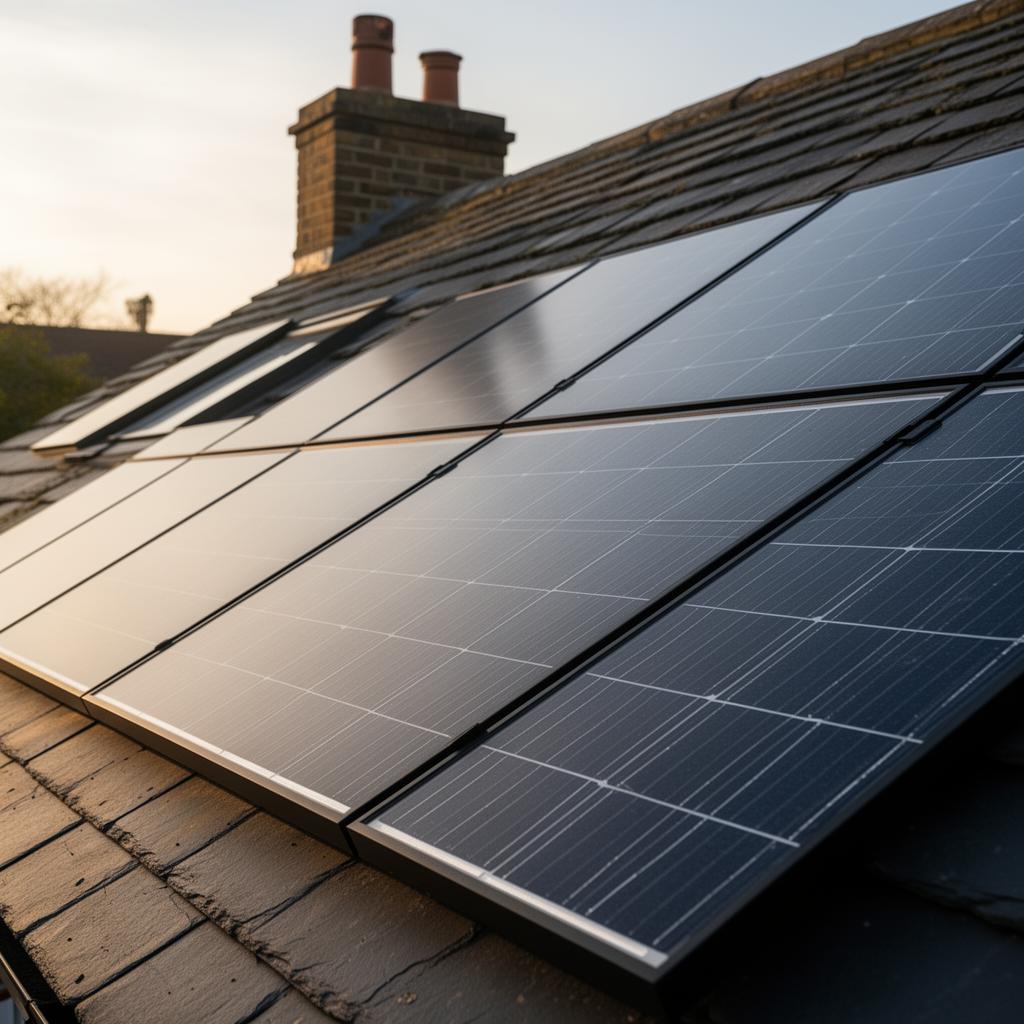
The news that GivEnergy entered administration in April 2026 sent shockwaves through the UK solar industry and left thousands of homeowners wondering what happens to their battery warranty. If the company behind your solar battery ceases trading, does your warranty simply vanish? The good news is that UK consumer law provides several layers of protection, and there are practical steps you can take right now to safeguard your investment. This guide covers the full picture of solar battery warranty protection for UK homeowners.
What Happens to Your Solar Battery Warranty If the Manufacturer Goes Bust?
If your solar battery manufacturer goes bust, the warranty is typically void. Manufacturer warranties are contractual obligations of the company itself, so when the company ceases trading, there is usually no entity to honour warranty claims. Your MCS-certified installer may offer a separate workmanship guarantee, but this covers installation defects rather than battery cell degradation.
To protect yourself, choose batteries from manufacturers with deep financial backing such as Tesla or BYD. A big UK market share on its own is not enough; GivEnergy was one of the best-selling battery brands in Britain right up until it failed. Check whether the warranty is backed by a parent company or insurance scheme, and ask your installer about their own guarantee terms. Some installers offer extended cover packages that provide replacement batteries even if the original manufacturer is no longer trading.
What actually happened when GivEnergy failed
GivEnergy was one of the most popular battery and hybrid inverter brands in the UK residential solar market, known for competitive pricing, good monitoring software, and strong smart tariff integration. On 9 April 2026, GivEnergy Ltd entered administration, with Christopher Brooksbank of CB Business Recovery appointed by the High Court in Leeds. The company ceased trading and all 74 staff were made redundant.
The outcome for owners, checked 1 August 2026:
- Hardware warranties and ongoing support are not being honoured by GivEnergy Ltd
- The app and cloud portal continue under GivEnergy Software Ltd, a separate company that is not in administration. Treat this as use while available
- Installed batteries keep working. The hardware is self-contained and needs no server to charge or discharge
So the playbook this guide sets out is exactly what GivEnergy owners are now working through: contact your installer first, then check your finance agreement or credit card paperwork for Section 75 cover. We covered the brand in more detail in our GivEnergy battery review.
And this won’t be the last failure. The battery storage industry is young and competitive. Understanding your rights before a problem occurs puts you in the strongest position.
Your Rights Under the Consumer Rights Act 2015
Even if a battery manufacturer goes bust, your legal protections do not disappear entirely. The Consumer Rights Act 2015 establishes that goods sold to consumers must be of satisfactory quality, fit for purpose, and as described. Importantly, your contract for the purchase and installation of a solar and battery system is usually with the installer, not the manufacturer.
This distinction matters. If your battery develops a fault within a reasonable time (generally considered to be up to six years in England and Wales, five years in Scotland), you may have a claim against your installer under the Consumer Rights Act, regardless of the manufacturer’s warranty status. The installer supplied you with goods that should last a reasonable period, and if they fail prematurely, the installer bears responsibility.
The practical challenge is that pursuing a claim against a small installer can be difficult if the replacement parts are no longer available from the original manufacturer. However, the legal right exists and should not be overlooked.
Section 75 Credit Card Protection
If you paid for your solar battery installation using a credit card and the total cost was between £100 and £30,000, you have powerful protection under Section 75 of the Consumer Credit Act 1974. Your credit card provider is jointly liable with the seller for any breach of contract or misrepresentation.
This means if your battery fails and neither the manufacturer nor installer can honour the warranty, you can make a claim against your credit card company for the cost of repair or replacement. Section 75 applies even if you only paid the deposit by credit card and the balance by another method, as long as the credit card payment was at least £100.
To make a Section 75 claim:
- Contact your credit card provider’s disputes team
- Provide evidence of the purchase (invoice, contract, credit card statement)
- Explain the fault and the manufacturer/installer’s inability to resolve it
- Supply quotes for repair or replacement from an alternative provider
Section 75 claims are well-established in law and credit card companies are generally responsive, though complex claims may take several weeks to resolve.
Insurance-Backed Warranties and Guarantees
Some solar installers offer insurance-backed warranties (IBWs) or insurance-backed guarantees (IBGs) that provide protection even if the installer ceases trading. These are underwritten by an insurance company and remain valid for the full warranty period regardless of what happens to the installer.
Insurance-backed warranties are particularly common among larger, more established installers and those registered with warranty providers such as:
- HIES (Home Insulation and Energy Systems) – Provides insurance-backed guarantees for renewable energy installations
- RECC (Renewable Energy Consumer Code) – Requires member companies to provide deposit and workmanship protection
- IWA (Insurance-backed Warranty Alliance) – Offers standalone warranty insurance products for solar installations
If you have an insurance-backed warranty, check the certificate for the insurance provider’s contact details. The claim process is made directly with the insurer, not the installer, so it remains valid even if the installer is no longer trading.
MCS Consumer Code Protections
All solar installations certified under the Microgeneration Certification Scheme (MCS) must comply with the MCS Consumer Code. This code requires installers to:
- Provide clear, written warranty terms before you sign the contract
- Offer an adequate workmanship warranty (typically at least 2 years)
- Belong to a consumer code scheme that provides an independent complaints and arbitration process
- Provide deposit protection through the consumer code scheme
The MCS Consumer Code does not directly protect you against manufacturer failure, but it ensures that your installer met minimum standards at the point of installation and that there is an independent body to turn to if the installer is unhelpful. If your system was MCS-certified, keep your MCS certificate safe as it provides evidence of the installation quality and specification.
Practical Steps to Take Right Now
Whether your battery manufacturer is currently in difficulty or not, these steps protect your investment for the long term.
Gather and store your documentation
- Your original installation contract and invoice
- The manufacturer’s product warranty certificate
- Your MCS certificate
- Any insurance-backed warranty documentation
- Credit card or finance statements showing payment
- The installer’s company details (name, registration number, MCS number)
- Battery serial number and model (usually on a label on the unit)
Check whether your installer offers additional protection
Contact your installer and ask whether they have an insurance-backed workmanship warranty and whether it covers component failure in the event of manufacturer insolvency. If they do not, ask whether they can arrange one retrospectively. Some warranty providers offer standalone policies for existing installations.
Monitor your battery’s health
Use your monitoring app to keep an eye on battery capacity and performance. If you notice degradation beyond normal levels, document it with screenshots while the manufacturer is still trading. This evidence strengthens any future claim.
Download your monitoring data
If your battery’s monitoring platform is operated by the manufacturer, export or screenshot your performance data regularly. GivEnergy owners got lucky here: the app survived because it sits with GivEnergy Software Ltd, a separate company that stayed out of administration. That was chance, not design. Treat any manufacturer-run cloud service as use while available, and keep local copies of the data that matters.
What Happens If Your Battery Fails and the Manufacturer Is Gone
If the worst happens and your battery fails with no manufacturer warranty available, you still have options.
- Claim against your installer under the Consumer Rights Act (up to 6 years from purchase)
- Make a Section 75 claim with your credit card company
- Claim on your insurance-backed warranty if you have one
- Replace with a different brand – Most battery systems use standard communication protocols, and a competent installer can often fit a replacement battery from another manufacturer to work with your existing inverter
- Continue using your solar panels without battery – Your solar panels will continue generating and earning SEG export income even without a working battery
A replacement battery from an alternative brand typically costs £3,000-£6,000 depending on capacity. While this is an unwelcome expense, it is worth remembering that the solar panels themselves carry separate warranties (usually 25-30 years from a different manufacturer) and are unaffected by battery brand issues.
How to Reduce Your Risk When Buying a Solar Battery
If you are yet to purchase a solar battery, GivEnergy’s collapse offers clear lessons for choosing wisely.
- Choose battery brands with strong financial backing and long market track records (Tesla, BYD, and Enphase are examples of well-capitalised companies)
- Ask your installer about insurance-backed workmanship warranties
- Pay at least the deposit by credit card to activate Section 75 protection
- Choose an MCS-certified installer registered with a consumer code scheme
- Keep all documentation in a safe, accessible place
You can request a free quote and up to three approved installers who cover your area may contact you. There is no charge and no obligation. Our battery guides also cover the warranty terms for each major brand.
Frequently Asked Questions
Does my GivEnergy battery still work now the company has gone bust?
Yes. Installed GivEnergy batteries continue to charge from solar, discharge to your home, and operate as normal. The hardware needs no server to run. What you have lost is manufacturer support and any warranty claim against GivEnergy Ltd. The app still works because it sits with a separate software company, but treat cloud features as use while available. If your battery develops a fault, contact your installer first.
Can I transfer my battery warranty to a new owner if I sell my house?
Most manufacturer warranties are transferable to a new owner when the property is sold. Check the warranty terms and conditions, as some require notification to the manufacturer. Your Consumer Rights Act protections do not transfer (as they are based on your contract with the installer), but the new owner has their own statutory rights.
How long should a solar battery last before it needs replacing?
Most modern lithium iron phosphate batteries are designed to last 10-15 years with daily cycling, retaining at least 70-80% of their original capacity at the end of the warranty period. Some will last longer. The warranty typically guarantees a minimum capacity retention (for example, 70% after 10 years), and the battery should continue working beyond this point, just with reduced capacity.
Should I avoid lesser-known battery brands to reduce risk?
There is a trade-off between price and financial security. Lesser-known brands often offer lower prices but carry higher risk of the company not being around to honour warranties in 10 years. Established brands with strong parent companies or significant market share offer more confidence. Your installer’s warranty and Section 75 credit card protection provide additional safety nets regardless of the brand chosen.
What would an upgrade save you?
Pick an upgrade and your region — instant modelled cost, annual saving and payback, from the same dataset behind our local guides.

Related Articles

Best electric heating for a flat with no gas, ranked by running cost
No gas supply doesn't mean expensive heating is inevitable. Air-to-air heat pumps, storage heaters, infrared and panel heaters ranked by what they actually cost to run.
14 October 2026
Storage heater settings for winter: input, output and Economy 7 timing
Input fills the bricks with cheap overnight heat, output spends it. Set them the right way round and Economy 7 works as promised. The winter baseline settings, scenario by scenario,…
14 October 2026
Best combi boiler for a small flat: compact, low-output picks
Small flats need small, quiet combis that fit a kitchen cupboard and don't short-cycle on four radiators. Our picks with prices, dimensions and warranty terms.
12 October 2026